Physical Address
304 North Cardinal St.
Dorchester Center, MA 02124
Physical Address
304 North Cardinal St.
Dorchester Center, MA 02124

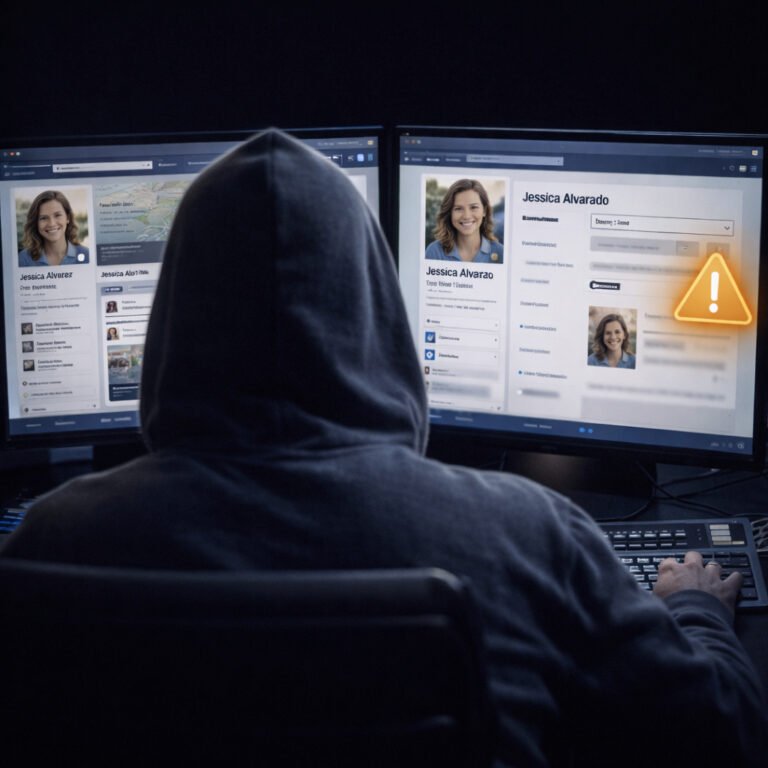
The term OSINT (Open-Source Intelligence) has exploded in popularity, yet many people still misunderstand what it actually means. Because modern life takes place online, every post, photo and comment leaves behind a trace, often exposing the confidentiality of personal information without people realizing it. When someone knows how to read these traces, they can understand surprisingly much about a person or company — without hacking anything. As a result, OSINT has become one of the most important areas in cybersecurity, journalism, digital forensics and even personal risk management.
Although OSINT sounds technical, the concept is simple: it’s the structured process of collecting and analysing information that is publicly available. Social networks, leaked databases, public records, videos, images, discussion forums and old websites all play a role. Since this information is open to anyone, the real challenge is not access — it is interpretation. Even small, insignificant details can become meaningful when combined with context, sometimes leading to targeted attacks that may result in malware infections.
This guide explains how OSINT works, why it matters, what types of information reveal the most and how you can reduce your own exposure online. Because OSINT covers many different areas, the risks connected to social media, images, digital footprints and online profiling deserve separate discussion.
Digital behaviour creates an enormous amount of personal information. While most people assume their online presence is harmless, attackers, investigators and analysts often see a much more detailed picture. Because OSINT transforms everyday data into intelligence, it helps reveal:
Moreover, organisations face similar risks. Public content from employees, partners and suppliers can unintentionally reveal technologies they use, routine processes or internal structure.
Additionally, OSINT is important because data accumulates. Even if you delete something today, cached copies, screenshots or archived versions may stay online for years. Consequently, OSINT analysts rarely rely on a single source. Instead, they combine hundreds of small clues to create a broader understanding.
Although OSINT sometimes appears chaotic, professionals follow a structured intelligence cycle. Each stage refines the information until it becomes clear and actionable.
Before collecting anything, analysts decide what they need to understand. For example, they may want to confirm identity, check the credibility of a profile or map a person’s routine. Clear questions prevent unnecessary data collection and reduce noise.
Once the goal is defined, analysts begin collecting publicly accessible data. They may examine social media, search engines, leaked databases, professional platforms, blogs, image metadata or online communities. Because the modern internet contains so many overlapping sources, collection usually provides more data than expected.
Not everything online is reliable. Therefore, analysts compare timestamps, cross-reference posts, check location consistency and review technical indicators. When information aligns across multiple sources, it gains credibility.
After verification, the data becomes useful. Analysts study behaviour, interests, timelines and connections. When looked at through the right lens, these patterns help explain motives, intentions and vulnerabilities.
Finally, analysts convert findings into a readable summary. Instead of long lists of raw data, they highlight key insights that answer the original question. In practice, a good OSINT report is simple enough for non-technical readers yet detailed enough to be useful.
Even people who consider themselves private often leave behind more information than they expect. Because various sources combine, OSINT offers a surprisingly accurate picture of someone’s life.
Regular posts show daily rhythms. Comments hint at emotional states. Reactions reveal values and priorities. Together, they describe a person’s habits far more accurately than they realise.
Photos, tagged places, recurring backgrounds, walking routes and even weather patterns reveal where a person lives or works. Even without geotags, small details such as building shapes or shop signs can expose location.
Friends, coworkers, family members and acquaintances appear across multiple platforms. When someone interacts frequently with the same people, an analyst can reconstruct the person’s close network.
LinkedIn profiles, certifications, past roles and job announcements help build a timeline of someone’s career. In many cases, people unintentionally share access levels, projects or internal tools, which is why understanding how to use LinkedIn safely has become increasingly important for both professionals and job seekers.
Everything from favourite food and travel habits to hobbies, entertainment choices and online discussions contributes to a subtle psychological profile that many people unknowingly build over time. Although these details often appear harmless on their own, they can reveal emotional triggers, routines, interests, financial status, personal values and behavioural patterns that become highly useful when combined with OSINT techniques. For example, attackers may analyse someone’s interest in cryptocurrency, fitness, luxury products, gaming or specific social issues to understand what type of messaging is most likely to attract attention or lower suspicion. In many cases, cybercriminals use this information to create highly personalised phishing and social engineering attacks that feel familiar, relevant and emotionally believable rather than obviously malicious, especially when criminals understand how to use social media for profiling and manipulation. As a result, even seemingly insignificant personal preferences can become valuable intelligence when analysts or attackers combine multiple small details into a larger behavioural profile.
Images are one of the richest OSINT sources because they hold more information than text. Before anything is analysed, the image itself reveals people, objects, locations, shadows, reflections and surroundings. When analysts zoom into small details, they often uncover clues the owner never noticed.
Furthermore, image files may contain metadata such as camera model, date, time and occasionally coordinates. Even when metadata is removed, the visual content still exposes routine, lifestyle, environment and context. Because people share photos casually, they may unintentionally reveal workplace equipment, home layouts, children’s schools or financially sensitive items that later become useful in scams, impersonation or identity manipulation.
Because even ordinary photos can expose sensitive information, image OSINT has become one of the most powerful forms of modern digital investigation.
Every platform tells a slightly different story. LinkedIn describes a person’s professional identity, while Instagram exposes lifestyle choices and highlights what not to post on social media. Facebook reveals relationships and family structure. X (Twitter) reflects opinions and behaviour over time. TikTok shows environment, voices and backgrounds.
Consequently, OSINT analysts use each platform as a piece of a larger puzzle, especially when comparing private vs public social media visibility and behaviour. When all pieces combine, the resulting profile becomes extremely detailed. Because this data is public, anyone — defenders, journalists or criminals — can use it.
The risks become even clearer when analysing how social media OSINT builds detailed digital footprints from seemingly harmless online activity.
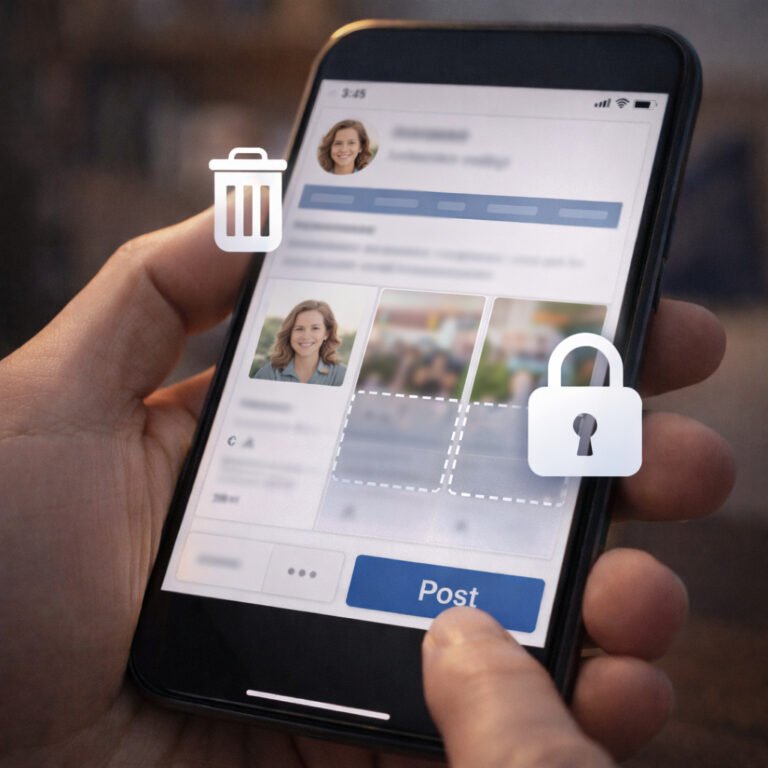
Reducing exposure does not mean deleting every account. Instead, it involves understanding what you reveal and adjusting your habits. Strong privacy settings help, but they are not enough on their own. People should also be careful with photos, limit personal details, avoid predictable posting patterns and review what older content still exposes.
Moreover, users must consider indirect exposure. Even if you avoid posting publicly, your friends, colleagues or family members may share information that includes you. As a result, controlling your digital presence requires awareness, not isolation.
Many people underestimate how much information remains publicly visible, which is why learning how to reduce OSINT exposure has become increasingly important.
OSINT is a powerful form of intelligence that relies entirely on public data. Because people publish so much information online, OSINT has become invaluable for cybersecurity teams, investigators and journalists. At the same time, it creates significant risks for individuals who underestimate how easily their digital behaviour can be analysed.
Fortunately, understanding how OSINT works helps you protect yourself. When you know what others can see, you gain control over your digital footprint and avoid exposing sensitive information, even if you believe you have nothing to hide online. In the modern online environment, this knowledge is no longer optional — it is essential.