Physical Address
304 North Cardinal St.
Dorchester Center, MA 02124
Physical Address
304 North Cardinal St.
Dorchester Center, MA 02124

The idea of social media OSINT might sound abstract, yet it directly affects anyone who uses Facebook, Instagram, TikTok, X (Twitter), LinkedIn or any other platform. Because every post, like, comment, tag or story becomes part of a larger digital footprint, social networks unintentionally expose more information about your life than almost any other online source. Moreover, attackers prefer social media OSINT because it reveals personality, emotions, habits, connections and behavioural patterns in a way that no technical breach ever could, which is why understanding what OSINT actually means has become increasingly important.
In practice, social media OSINT forms the backbone of modern cybercrime preparation. It allows attackers to build a detailed personal profile long before they attempt phishing, impersonation or fraud. Since most information appears willingly and publicly, victims rarely notice what they are revealing. This guide explains how criminals examine profiles, what patterns they extract and how you can control your exposure while still enjoying social platforms.
Social platforms contain a unique combination of visual, textual and behavioural information. Unlike photos alone, social posts combine multiple layers: timestamps, locations, emotions, interactions and long-term trends. Because these platforms encourage people to share openly, the information becomes organised into categories by the users themselves.
Additionally, social networks store years of personal data. Old posts often survive in tagged photos, shared memories or public interactions. Even if someone deletes their content, friends’ posts may still include them, creating indirect exposure.
Furthermore, platforms amplify behaviour. Social media reveals not only what people do but also how often, when, with whom and why. For attackers, these behavioural insights are priceless because they help predict future decisions and reactions.
To understand how social media OSINT works, imagine an attacker starting with a single public profile. Instead of reading every post randomly, attackers follow a consistent method that uncovers the most valuable information quickly.
Criminals begin with the basics:
These details immediately show lifestyle, interests and identity.
Next, attackers review the person’s relationships:
Because social media structures these connections visually, criminals can map an entire social graph in minutes.
After identifying key contacts, attackers evaluate:
For example, posts at consistent times reveal sleep patterns, working hours or exercise routines.
Attackers look at:
These clues reveal location, lifestyle and personal habits.
Captions often contain detailed context:
Even emojis show mood, relationships or inside jokes that attackers may exploit.
Every platform creates a different type of vulnerability. Because attackers know this, they analyse each network according to its strengths.
LinkedIn reveals:
Attackers use this to craft high-quality spear-phishing emails or business email compromise attacks. LinkedIn also exposes when employees travel for conferences, which creates additional risks. Many professionals underestimate how much information their profile reveals, including internal technologies, responsibilities and business relationships, which is why learning how to use LinkedIn safely has become increasingly important.
Instagram focuses on visual content, which exposes:
Stories often reveal far more than posts because they show real-time behaviour, routines and location patterns that attackers can monitor almost instantly. Attackers love stories because they expose immediate location and mood.
Facebook stores years of personal data:
Additionally, Facebook groups reveal interests and beliefs, which attackers use in targeted manipulation.
TikTok videos expose:
Video format makes TikTok exceptionally dangerous for OSINT because attackers can freeze frames, examine angles and compare backgrounds across multiple clips.
Attackers observe:
Since X promotes unfiltered, real-time expression, it reveals a user’s mindset better than any other platform. Attackers use this to craft emotional manipulation in scams by exploiting predictable human reactions, emotional triggers and impulsive behaviour.
Although each platform shows something different, criminals combine all data into a single behavioural profile. This profile often includes:
Consequently, even a small amount of behaviour on one platform becomes meaningful when paired with other networks.
For example:
When combined, attackers understand you better than many people in your real life.
Attackers use social media OSINT to perform some of the most effective cyberattacks by analysing behaviour, emotions, routines and trust patterns across multiple platforms.
Because attackers know project names, coworkers and real-life events, they create emails that look authentic. Victims trust them because every detail seems genuine, familiar and psychologically comfortable.
Attackers impersonate friends or relatives. They reference real events or routines from the victim’s timeline, making the message feel legitimate.
Scammers use preferences, insecurities and emotional triggers gathered from posts to build trust — often for months — before requesting money.
Photos of passports, travel tickets, parcel labels or even birthday celebrations reveal enough data to impersonate someone.
Posts showing children’s schools, walking routes or neighbourhood landmarks create real-world risk, especially when shared in real time.
Attackers target employees who complain about stress—these individuals are more likely to click malicious links disguised as HR messages.
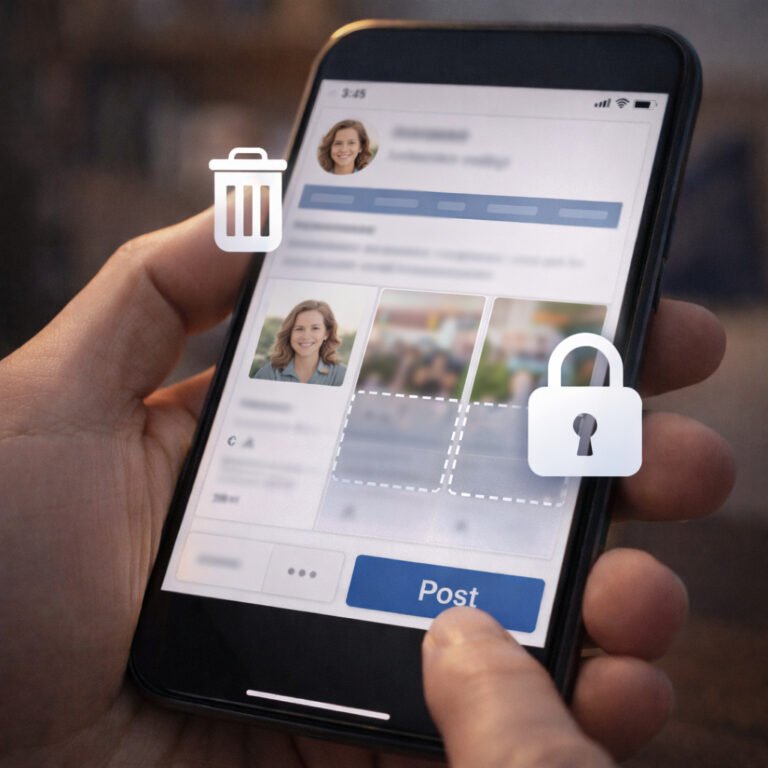
Fortunately, controlling your digital footprint doesn’t require deleting your profiles. Instead, focus on reducing high-risk details and avoiding the kinds of social media posts that expose routines, locations, relationships or personal vulnerabilities over time.
Delaying posts breaks predictable location patterns.
Remove details such as school names, home addresses or family connections from public view.
Old posts often reveal more than new ones. Review your historic posts and untag yourself where needed.
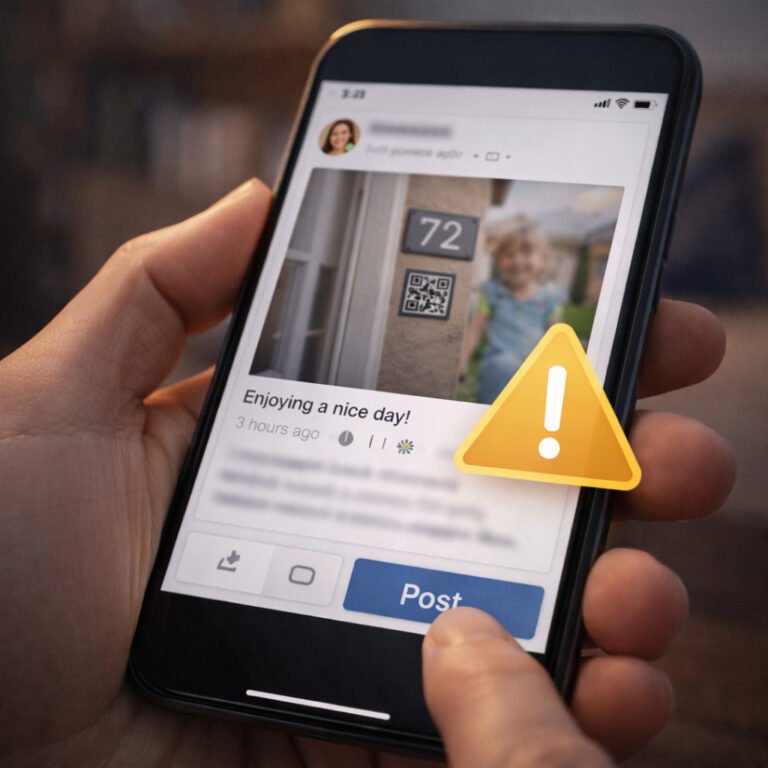
Before uploading, check photos for screens, documents, badges or recognisable landmarks.
Private stories still expose behaviour to semi-public groups, especially when users incorrectly assume close friends content remains completely private.
Use different usernames, photos and privacy settings to prevent easy cross-mapping between platforms.
Remove unknown or inactive contacts. Many attackers use fake accounts to gather OSINT.
Followers reveal more about relationships than most people realise.
Social media OSINT exposes far more about your life than you notice. Attackers use years of posts, photos, comments and tags to build a detailed behavioural profile that helps them plan targeted attacks. Since everything they collect is public, the most effective protection is awareness, intentional sharing and understanding the risks connected to private vs public social media visibility.
By understanding how criminals study your digital footprint, you can make small but powerful adjustments that significantly reduce your risk and help reduce OSINT exposure while still enjoying social platforms.