Physical Address
304 North Cardinal St.
Dorchester Center, MA 02124
Physical Address
304 North Cardinal St.
Dorchester Center, MA 02124

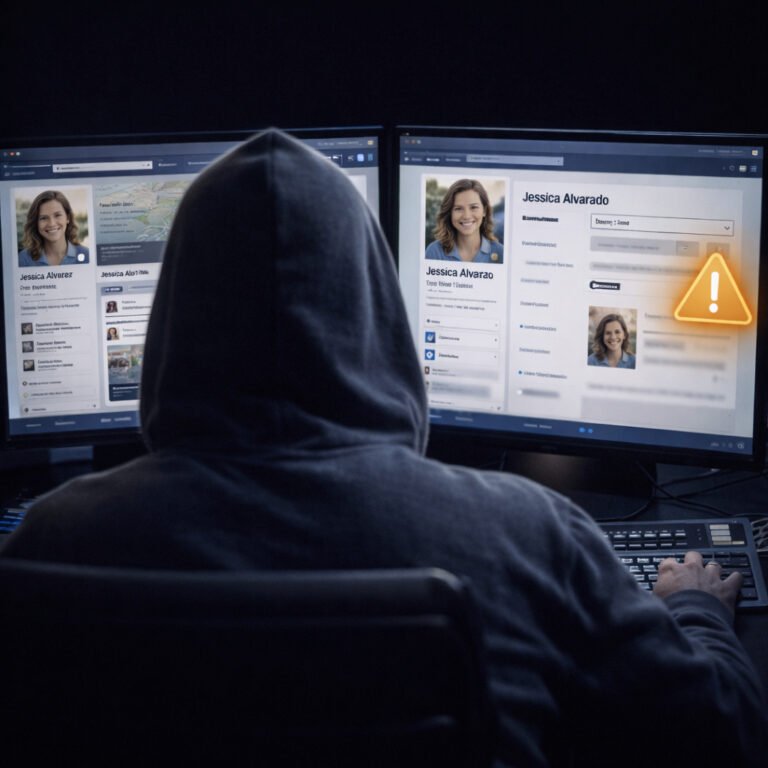
How criminals use social media is not a movie scenario — it’s a real-world OSINT technique used every day. Instagram and Facebook are not dangerous because of “hackers.” They are risky because people voluntarily publish patterns, locations, and personal details that can be connected into a full profile.
In this guide, you’ll learn how criminals use social media in realistic ways, what information they look for, and how to reduce your digital footprint without deleting your accounts.
Most criminals do not need advanced hacking tools. Instead, they need information.
Social media provides exactly that:
This is why OSINT (Open-Source Intelligence) matters. It’s not “spy stuff.” It’s simply using public information.
Different criminals use social media for different reasons. However, the methods are surprisingly similar.
The most common goals include:
Even if you are not a high-profile person, you can still be useful as a target — simply because you look accessible.
A private profile helps. However, it is not a magic shield.
Here’s why:
In other words, privacy settings reduce risk, but they do not eliminate it.
Routine is one of the most valuable things a criminal can learn. It answers questions like:
Routine is rarely revealed in one post. Instead, it becomes visible through repetition.
For example:
Over time, your account becomes a schedule.
Many people think location is only revealed by geotags.
In reality, criminals use location clues such as:
This is why photo sharing and real-time posting are so risky.
Even without exact coordinates, a location can often be identified.
This part is uncomfortable, but important.
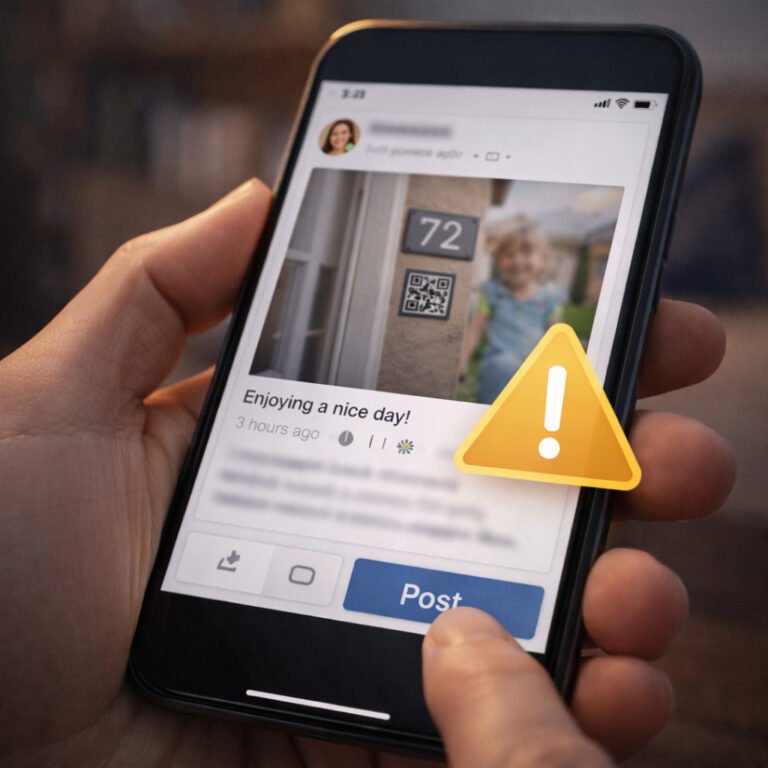
A home can be identified through:
A single post may not be enough. However, a collection of posts often is.
That’s how digital footprint becomes real-world risk.
Most criminals don’t target people randomly. Instead, they look for easy opportunities.
Social media helps them identify:
This is not about blaming victims. It’s about understanding how criminals think.
One of the most overlooked risks is emotional exposure.
Some scammers look for people who:
Why?
Because emotional vulnerability is an entry point for manipulation.
That is exactly how romance scams and long-term social engineering start.
Impersonation is becoming more common, especially with AI tools.
Criminals can use your content to create:
Even if you think your profile is “boring,” your photos still have value.
Social engineering means manipulating people into trusting you.
Social media makes this easier because criminals can:
Then they use this information to craft believable messages.
For example:
This is why social engineering works: it feels personal.
This is one of the most serious reasons to limit family content.
Kids-related content can reveal:
Even when the intention is innocent, the exposure can be dangerous.
A strong safety rule is simple:
Kids should not be content.
Many people overshare without realizing it.
The most common mistakes include:
Most of these are easy to fix once you see them.
You don’t need to disappear.
Instead, you need to remove the most useful data.
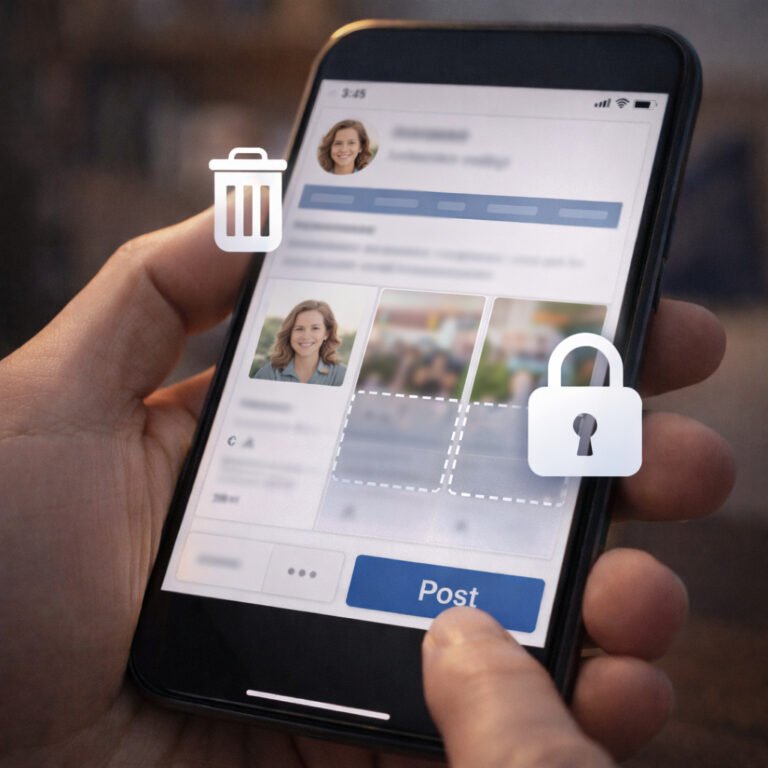
A realistic privacy approach includes:
This is how normal people build real online safety.
If you want to test your profile from a criminal’s perspective, do this:
You will almost always find something worth removing.
How criminals use social media is mostly about patience, not hacking.
Social platforms are designed to encourage sharing. However, the internet is not a friendly neighborhood. The more predictable your content is, the easier you become to target.
The goal is not fear.
The goal is control.
When you share less data, you keep more power.
If you want to reduce your digital footprint starting today, begin with three habits:
These changes alone make you significantly harder to target.