Physical Address
304 North Cardinal St.
Dorchester Center, MA 02124
Physical Address
304 North Cardinal St.
Dorchester Center, MA 02124

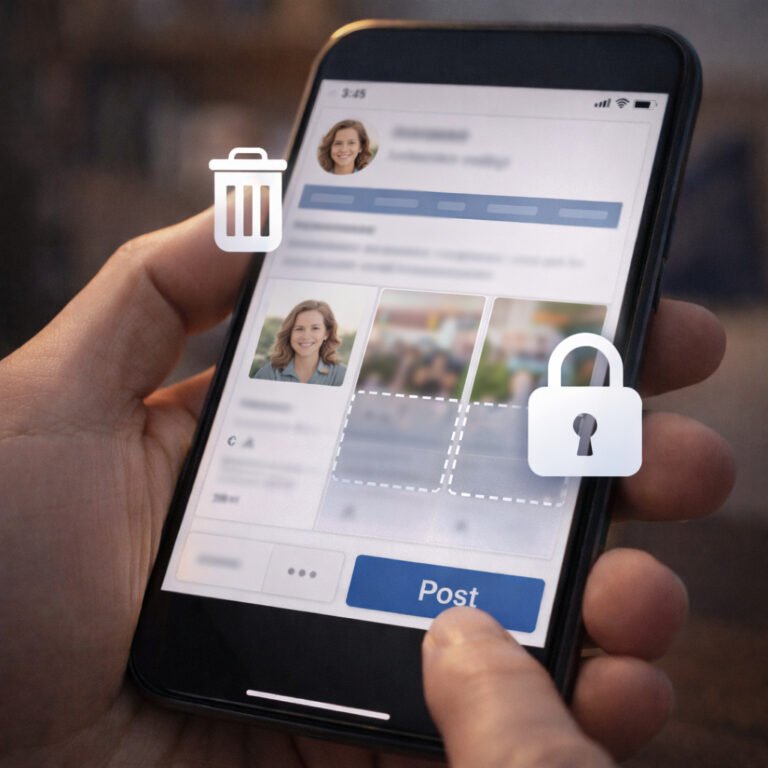
Protect kids privacy on social media is no longer just a “careful parenting” topic — it is a modern safety necessity. Today, children often appear online long before they understand what the internet is, and every photo, tag, and Story contributes to a permanent digital footprint.
Most parents share with good intentions. However, oversharing can expose children to risks that are difficult to reverse later. The good news is that you don’t need to disappear from social media. Instead, you need smarter habits.
In this guide, you’ll learn how to protect kids privacy on social media, what risks are most realistic, and how to share family moments without exposing sensitive information.
A child’s digital footprint often begins before they can speak. Baby photos, school events, birthday parties, and daily moments quickly build a searchable history.
Unlike adults, children cannot:
As a result, adults make decisions that may affect a child’s privacy for years.
In addition, AI and OSINT techniques have made it easier than ever to collect and combine small pieces of information.
When discussing how to protect kids privacy on social media, many people jump to extreme fears. In reality, the most common risks are more subtle.
They include:
Most problems do not come from a single post. Instead, they come from patterns over time.
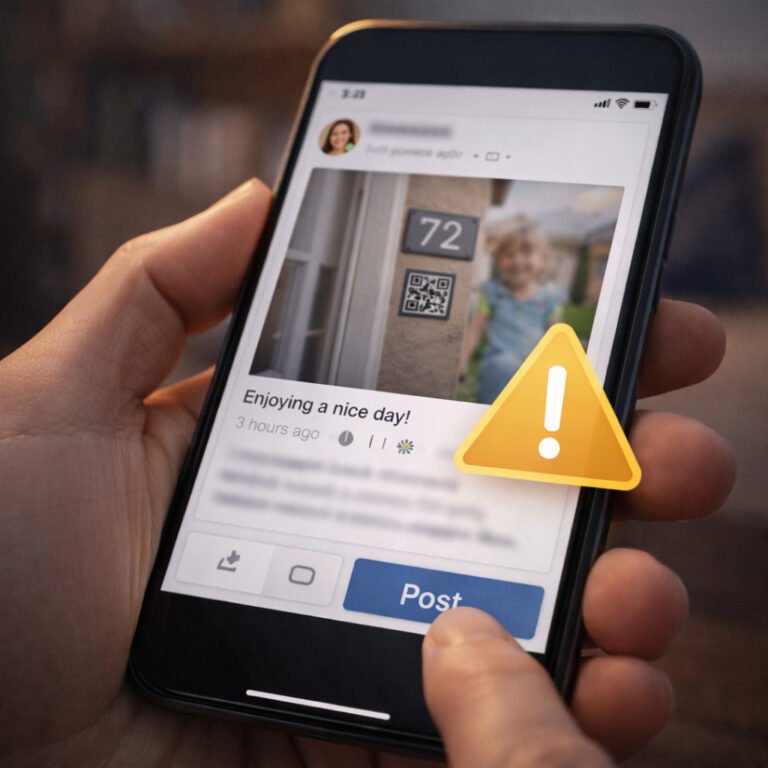
Children’s photos often reveal more than parents notice.
Common hidden clues include:
Even when a location tag is not used, visual OSINT can narrow down the place.
Therefore, one of the most effective ways to protect kids privacy on social media is to reduce identifiable background details.
One of the biggest oversharing mistakes involves school-related content.
Parents often post:
Individually, these feel harmless. However, together they can reveal:
From an OSINT perspective, that is a lot of signal.
Real-time sharing is already risky for adults. With children, the stakes are higher.
If a post shows:
then timing and location combine into actionable information.
A safer habit is simple: post later.
Even a delay of several hours reduces risk significantly.
Many parents believe a private profile fully protects their child’s photos.
It helps. However, it is not absolute protection.
Content can still spread through:
That is why protecting kids privacy on social media depends more on what you share than on who can see it.
Technology is evolving quickly.
Today, widely shared children’s photos may later be used for:
While not every child faces these risks, reducing unnecessary exposure is a sensible precaution.
You don’t have to stop sharing completely. Instead, adjust how you share.
Safer habits include:
Small changes significantly reduce digital footprint.
Some content carries higher risk and is usually better kept offline.
This includes:
Parents often regret these posts later.
As children grow, education becomes part of protection.
Age-appropriate lessons can include:
This builds long-term awareness, not just short-term control.
If you want to check your current exposure, review your recent posts and ask:
If the answer feels uncertain, consider removing or limiting the post.
Protecting kids does not mean living in fear.
It means understanding one simple reality:
Social media platforms are designed for sharing, not for privacy.
Therefore, the safest approach is:
This keeps family memories intact while reducing unnecessary risk.
Learning how to protect kids privacy on social media is one of the most important digital habits modern parents can develop. The goal is not perfection. The goal is reducing long-term exposure while still enjoying the positive side of sharing.
Every post adds to a child’s digital footprint. Fortunately, small changes today can make that footprint much safer tomorrow.
Take five minutes today and review your last ten family posts.
Remove school identifiers.
Delay real-time content.
Limit who can see sensitive moments.
These simple steps already put you ahead of most social media users.