Physical Address
304 North Cardinal St.
Dorchester Center, MA 02124
Physical Address
304 North Cardinal St.
Dorchester Center, MA 02124

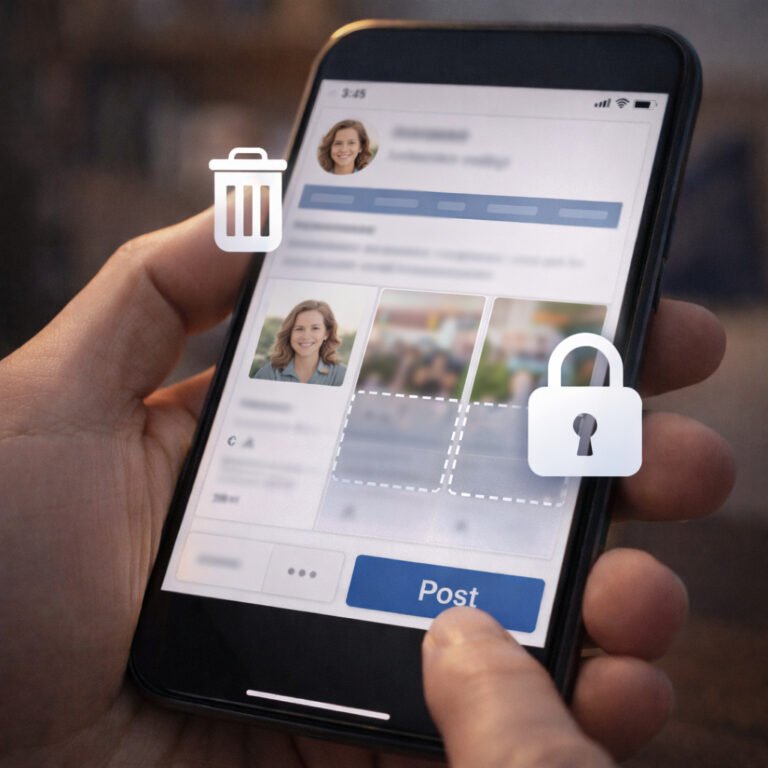
What not to post on social media is one of the most practical questions anyone can ask today. Most people don’t get into trouble because of hacking. Instead, they overshare small details that seem harmless but become powerful when combined.
Every post adds to your digital footprint and contributes to the kind of social media OSINT attackers use to analyse behaviour, routines and personal patterns over time. Over time, patterns appear, routines become visible, and personal details become searchable. The good news is simple: you don’t need to stop posting completely to reduce OSINT exposure and improve your online privacy. You just need to know what not to post on social media and where the real risks hide.
In this guide, you’ll learn the most common oversharing mistakes and how to avoid them without turning your profile into a ghost town.
Single posts rarely cause problems. However, repeated signals build a surprisingly accurate picture of your life.
OSINT techniques rely on:
Because of this, something that looks harmless in isolation can become sensitive over time, especially when criminals combine multiple small details into a larger behavioural profile.
That is exactly why understanding what not to post on social media matters.
Real-time content is one of the biggest exposure risks.
Posts that show where you are right now can reveal:
Even without a location tag, visual clues often give it away.
A safer habit is simple: post later.
Your home should never become easily identifiable online.
Risky examples include:
Over time, repeated images can help someone pinpoint your address.
This category is widely underestimated.
Avoid posting:
Even partially visible codes can sometimes be reconstructed.
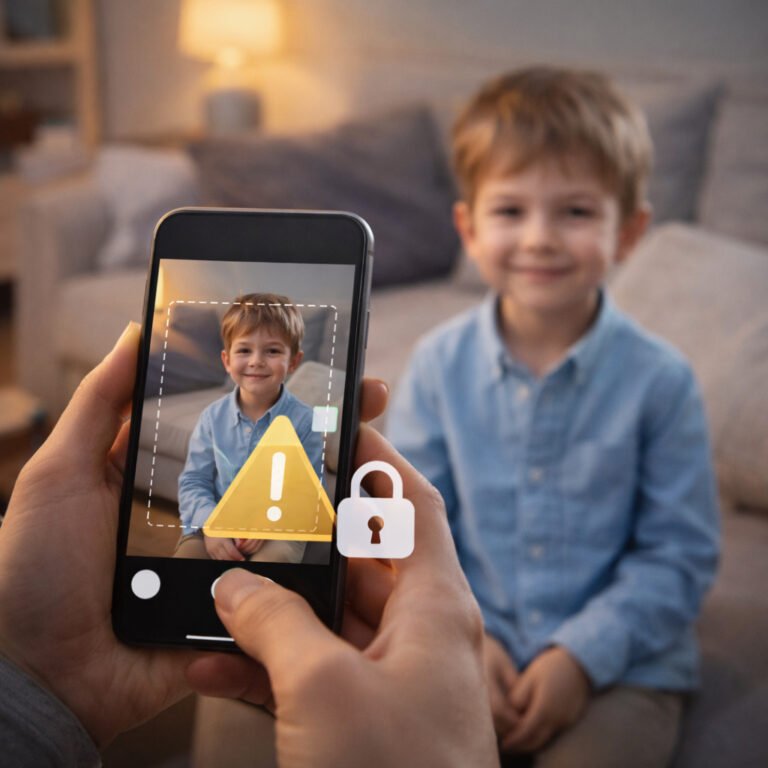
Children’s content needs extra care because many parents unintentionally expose long-term privacy risks through school details, routines, photos and location-based content.
High-risk details include:
These details help map a child’s environment.
Routine is extremely valuable for OSINT mapping.
Be careful with repeated posts from:
One post is usually harmless. Patterns are not.
Travel content is popular — and risky when posted live.
Real-time travel posts can reveal:
The safer approach is simple: share after you return.
Many risks hide in the background, including details that scammers use for impersonation, fraud or identity manipulation.
Watch for:
These small details often get overlooked. Even ordinary images can reveal location clues, routines, reflections, personal belongings and environmental details through image OSINT analysis.
Social media should not become a public schedule.
Be cautious about repeatedly showing:
Consistency is exactly what makes OSINT powerful.
Showing high-value items can attract the wrong attention.
Examples include:
This is less about envy and more about visibility.
This one should be obvious, yet many still overshare.
Avoid posting publicly:
Once public, this data spreads quickly.
This topic is rarely discussed but very real.
Posts that signal:
can attract targeted manipulation, especially romance scams and social engineering. Young people are especially vulnerable to manipulation inside gaming communities and messaging apps.
This does not mean you must hide your emotions. It means being mindful of what becomes permanently public.
Professional pride is normal. However, some details are better kept internal.
Avoid posting:
These details can be useful for targeted attacks.
Professional platforms can also expose more than people realise, especially when profiles contain detailed information about technologies, projects or responsibilities. Understanding how to use LinkedIn safely is an important part of reducing professional OSINT exposure.
Even on private accounts or close friends stories, some content is better kept offline.
Be cautious with:
Children cannot control their long-term digital footprint.
Your bio should not read like an identity file.
Avoid combining too many of these publicly:
Individually, each may seem harmless. Together, they create a strong identity profile.
Sometimes the risk is not your post.
Regularly check:
Your digital footprint includes what others share about you.
You don’t need to disappear from social media.
A safer approach is:
This keeps your profile active but less predictable.
Understanding what not to post on social media is one of the easiest ways to improve your online safety. Most risks do not come from advanced hacking. Instead, they come from small pieces of information shared over time.
The goal is not silence.
The goal is smarter sharing.
When you reduce unnecessary detail, you keep control of your digital footprint without losing your online presence.
Take two minutes today and review your last five posts.
Look for:
If something feels too revealing, adjust or remove it.
Small changes make a big difference.