Physical Address
304 North Cardinal St.
Dorchester Center, MA 02124
Physical Address
304 North Cardinal St.
Dorchester Center, MA 02124

Reduce digital footprint on social media is one of the smartest moves you can make today. Most people don’t realize how much information their profiles reveal until someone connects the dots. Photos, bios, old posts, and tagged content slowly build a detailed picture of your life.
The good news is simple. You don’t need to delete your accounts or disappear from the internet. Instead, you can reduce your digital footprint on social media step by step while keeping your profiles active and useful.
In this guide, you’ll learn practical actions that lower your exposure, limit OSINT visibility, and help you stay in control of your online presence.
Your digital footprint usually expands without you noticing.
Over time, profiles accumulate:
Individually, these pieces seem harmless. However, together they create a highly searchable identity profile.
That is exactly why learning how to reduce digital footprint on social media matters today.
Before changing settings, it helps to see what others can already learn.
Open your main social profile and review:
Most people are surprised how much information is visible at a glance.
Your bio is one of the easiest places to reduce exposure.
A safer bio usually avoids:
The goal is simple: stay identifiable for friends, but less useful for strangers.
Location data is one of the strongest OSINT signals.
To reduce digital footprint on social media, review your posts for:
You don’t have to remove everything. However, breaking predictable patterns significantly improves privacy.
Tagged content is often forgotten, yet highly revealing.
Check:
If something exposes too much, untag yourself or request removal.
Your digital footprint includes what others share about you.
Old content is one of the biggest hidden risks.
Focus first on posts that show:
Even removing a small number of posts can significantly reduce your exposure.
Not every follower needs access to your life.
A periodic cleanup helps reduce digital footprint on social media and lowers risk.
Consider removing:
Smaller, cleaner audiences are usually safer.
Many users never review their platform privacy settings.
A safer configuration often includes:
Settings alone are not enough. However, they are an important layer.
Timing is one of the most overlooked data leaks.
To reduce digital footprint on social media effectively:
This single habit removes a large amount of actionable information.
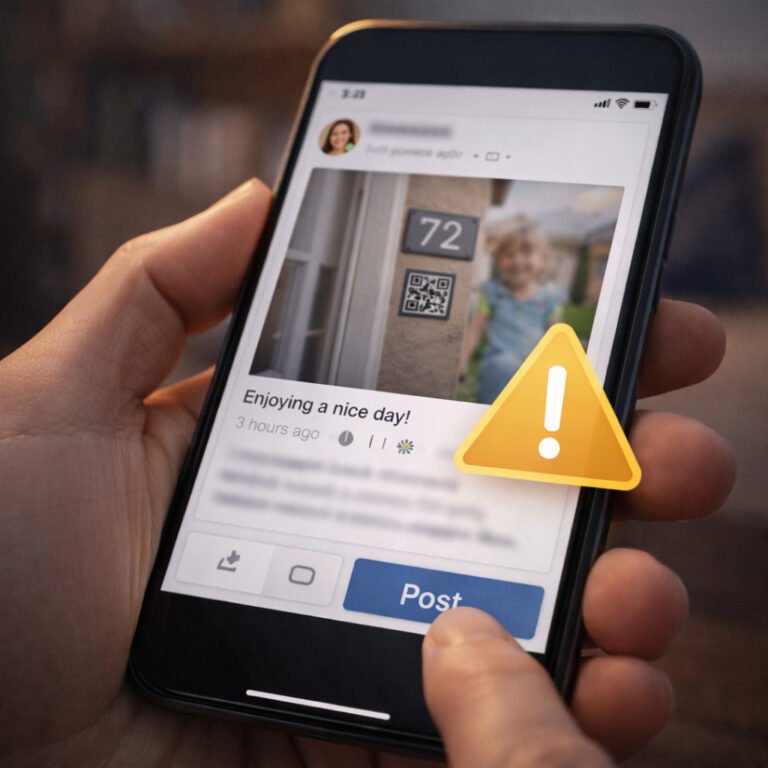
Before posting any photo, quickly scan the background.
Look for:
Many privacy leaks happen in the background, not the main subject.
This is one of the most powerful strategies.
If you create public content, consider:
This separation allows visibility without exposing your daily routine.
Digital hygiene works best when it becomes routine.
Once per month, spend five minutes to:
Small, consistent cleanup prevents large future problems.
Trying to reach zero digital footprint is not practical for most people.
The smarter goal is:
In other words, manage exposure instead of chasing perfection.
Learning how to reduce digital footprint on social media is not about fear or paranoia. It is about awareness and control. Most risks come from accumulated details, not from a single dramatic mistake.
The earlier you start cleaning your footprint, the easier it becomes to manage.
Small changes today can quietly protect your privacy for years.
Take five minutes right now and do one thing:
Open your profile and archive one post that reveals too much.
That single step already moves you in the right direction.