Physical Address
304 North Cardinal St.
Dorchester Center, MA 02124
Physical Address
304 North Cardinal St.
Dorchester Center, MA 02124

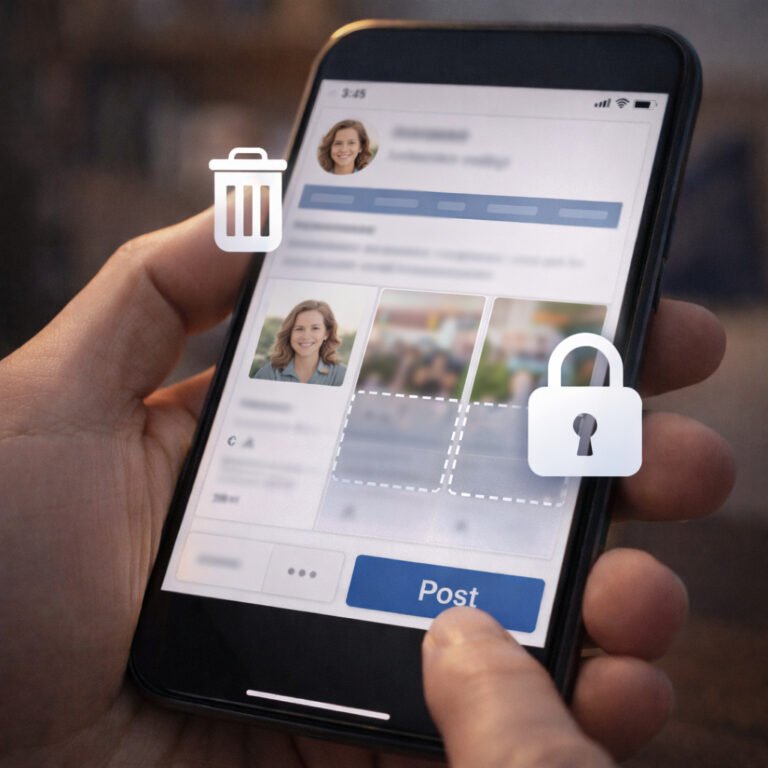
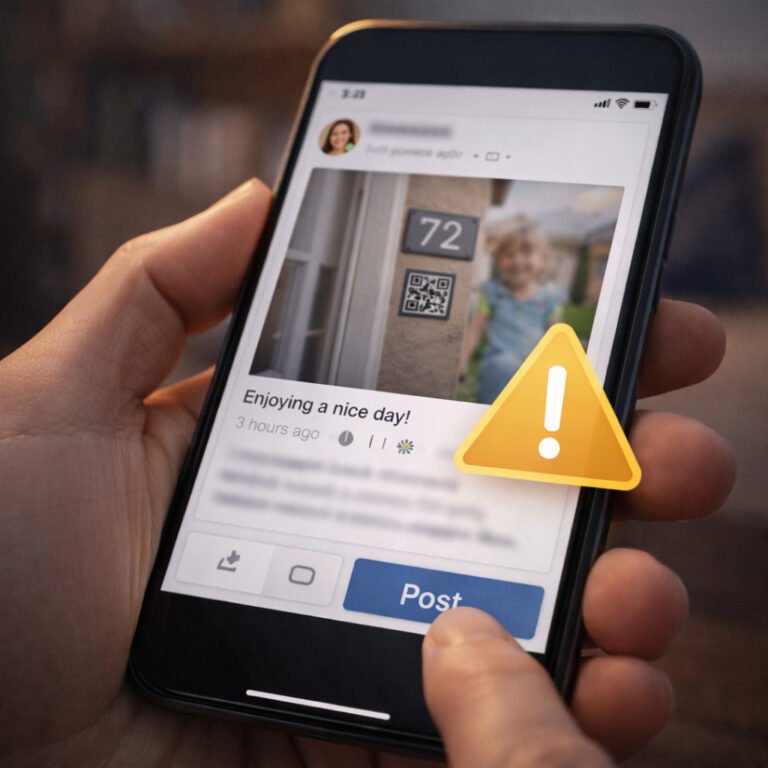
How scammers use your photos is something most people never think about until it happens to them. A simple selfie, travel picture, or profile photo can be copied in seconds and reused in ways you never intended.
The internet makes images extremely easy to duplicate. Once a photo appears online, it can quickly spread across platforms, profiles, and even scam operations. That is why understanding how scammers use your photos is an important part of protecting your digital footprint.
In this guide, you’ll learn the most common ways criminals misuse online photos, why certain images are attractive targets, and how to reduce the risk without disappearing from social media.
Photos are powerful identity tools.
When criminals build fake identities, they often need believable images to support their story. Social media platforms provide exactly that: real people, real faces, and real life moments.
Scammers collect photos to create:
Because these photos come from real people, they make scams look more convincing.
One of the most common uses of stolen photos is the creation of fake profiles.
A scammer might copy:
Then they create a new account that looks almost identical to yours.
These fake profiles are often used to:
Many victims only discover the fake account when someone else reports it.
Romance scams frequently rely on stolen photos.
Scammers search for attractive and trustworthy-looking people to build believable characters. They then create fake profiles on:
Once the fake identity is established, scammers begin building emotional connections with victims. Over time, they may request money, gift cards, or cryptocurrency.
The person in the photos usually has no idea their image is being used.
Another common misuse involves fake promotions.
Scammers may copy photos from:
They then create posts that advertise fake giveaways, investment schemes, or product offers.
These scams often look legitimate because they include real photos and familiar faces.
For victims, the combination of images and urgency can make the offer feel trustworthy.
Sometimes scammers impersonate a specific person rather than creating a completely new identity.
This can happen when criminals copy:
Then they contact the person’s friends and followers pretending to be them.
Messages might include:
Because the account looks real, many people trust it at first.
Photos can also help criminals build trust in targeted scams.
For example, a scammer might combine:
This allows them to understand your interests, profession, and personality.
Then they can craft messages that feel personal and believable.
Social engineering works best when attackers appear familiar.
Real photos make that illusion easier.
Not all photos are equally useful.
Scammers often prefer images that look:
Profile photos, travel images, and lifestyle pictures are especially attractive because they help build convincing fake identities.
The more natural the photo looks, the more believable the fake profile becomes.
With modern AI tools, even a small number of photos can be used in new ways.
Images may contribute to:
While this still requires additional tools and effort, the technology is evolving quickly.
Reducing unnecessary exposure online helps limit these possibilities.
Sometimes the first warning comes from someone else.
Common signs include:
If someone tells you they saw your photo on another profile, it is worth investigating.
If you discover your images on a fake profile, act quickly.
Steps that help include:
Most platforms have reporting systems specifically for impersonation and stolen images.
While removal may take time, reporting increases the chances of a faster response.
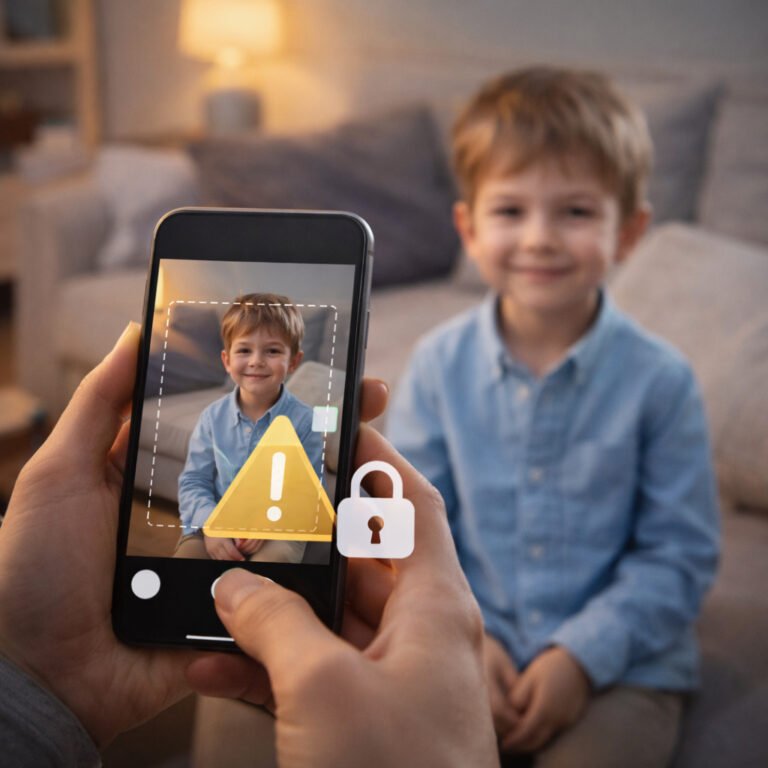
Completely preventing misuse is difficult. However, you can reduce the chances significantly.
Practical steps include:
These habits reduce the amount of material available for scammers.
Instead of asking “Can I post this photo?”, ask a different question:
Would I be comfortable if this image appeared somewhere else on the internet?
If the answer is no, it may be better not to post it publicly.
This mindset alone helps reduce many privacy risks.
Understanding how scammers use your photos is an important part of modern online awareness. Photos are not just memories. On the internet, they are identity signals that can be reused, copied, and manipulated.
Fortunately, small adjustments in what you share and how widely you share it can make a significant difference.
The goal is not to stop sharing your life. The goal is to keep control of your digital identity.
Take a minute today and search your own name or profile photo online.
If you find unexpected profiles or duplicate images, investigate further and report them quickly.
Awareness is the first step toward protection.