Physical Address
304 North Cardinal St.
Dorchester Center, MA 02124
Physical Address
304 North Cardinal St.
Dorchester Center, MA 02124

When we think about cybersecurity, we picture hackers in hoodies, sophisticated malware, and AI-driven phishing bots. But the uncomfortable truth is that most breaches start with something far simpler — human error. Whether it’s clicking the wrong link, using “password123,” or sending sensitive data to the wrong person, human mistakes are the biggest cybersecurity risk that no one talks about enough.
In fact, studies show that over 80% of cyber incidents involve human error at some stage. From phishing to misconfigured systems, our own actions (or inaction) often open the door for attackers.
Human error covers a broad range of mistakes that can compromise systems, data, or processes. These can be active errors (something you do wrong, like clicking a malicious link) or passive errors (something you fail to do, like not updating software).
Let’s look at a few examples:
Each of these simple acts can cascade into a serious data breach or system compromise.
Human behavior is driven by habit, pressure, and convenience — all enemies of good security practices. We’re busy, distracted, and often unaware of risks. Attackers know this and craft their attacks accordingly.
They exploit:
Even the best-trained professionals make mistakes. That’s why security awareness alone isn’t enough — we need systems that assume human error will happen and protect against it.
You can’t completely eliminate mistakes, but you can drastically reduce their impact. Here’s how:
Even if someone’s password is compromised, MFA prevents unauthorized access. It’s one of the simplest and most effective protections.
It removes the need to remember or reuse passwords. A good password manager also detects compromised credentials.
Encourage open conversations about mistakes. Punishing employees for errors leads to silence, not security.
Take the human element out of routine tasks. Automation ensures consistency and reduces negligence.
Regular phishing simulations and scenario-based training improve awareness and make people more cautious in real life.
AI-driven detection tools, endpoint protection, and zero-trust systems all help, but none can fully replace human responsibility. The goal isn’t to make people perfect; it’s to make systems resilient even when people aren’t.
The future of cybersecurity will depend on how well we integrate human behavior into technical design. As long as humans are part of the process — and they always will be — minimizing error must remain a top priority.
Human error is not a failure of intelligence — it’s a reminder that we’re human. Cybersecurity isn’t just about code and firewalls; it’s about people, habits, and awareness.
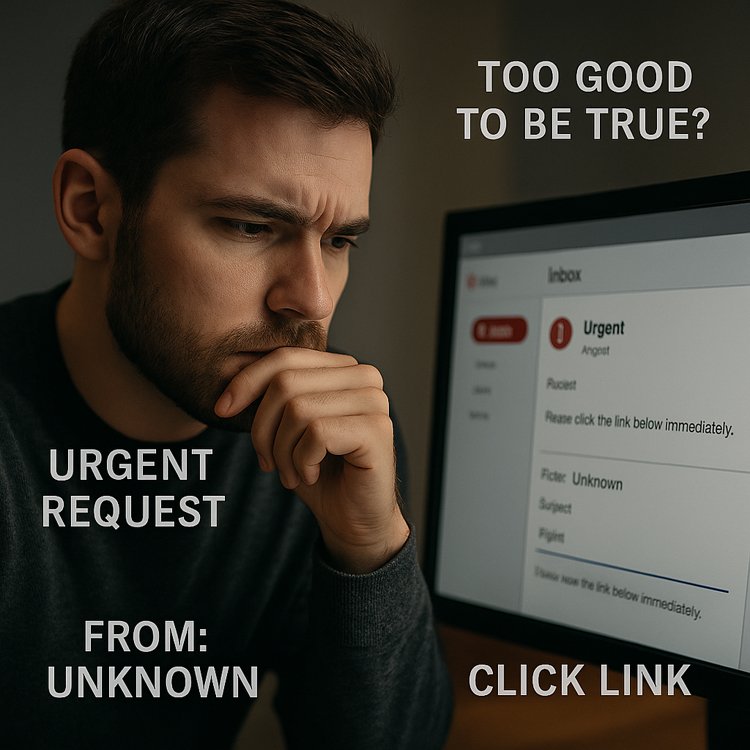
So next time you see a suspicious email or a “too good to be true” link, pause. That one second of hesitation could save your organization thousands of euros — or your personal data from ending up on the dark web.