Physical Address
304 North Cardinal St.
Dorchester Center, MA 02124
Physical Address
304 North Cardinal St.
Dorchester Center, MA 02124


Why Small Business Cyber Risks Are Not About Data Small business cyber risks are often misunderstood because many companies focus on protecting data instead of access. At first glance, this seems logical. However, attackers rarely need your data to cause damage. Instead, they need access. In reality, most attacks succeed not because of what companies store, but because of what attackers can control. That shift in perspective changes everything. Cybercriminals…

Why Small Business Cybersecurity Is Often Ignored Small business cybersecurity is often ignored because it feels unnecessary. Many companies believe they are too small to be hacked, too unimportant, or simply not visible enough. However, this belief creates risk from the very beginning. In reality, attackers do not look for important companies. Instead, they look for easy ones. As a result, small businesses become ideal targets because they often lack…

Malware infections are often preventable. While removing malware is important, understanding how to prevent it in the first place is even more valuable. Learning how to protect yourself from malware reduces the risk of data loss, identity theft, and long-term system damage. Cybercriminals rely on predictable user behavior. By changing a few everyday habits, you can significantly reduce your exposure to common cyber threats. This guide explains how to protect…

Malware infections can happen to anyone. Even careful users may eventually encounter malicious software through downloads, emails, or compromised websites. Knowing how to remove malware from your device safely is essential for minimizing damage and restoring your system to a secure state. If your computer suddenly becomes slow, shows unusual pop-ups, or behaves unpredictably, malware may already be active in the background. Acting quickly and methodically can prevent data loss,…

Many people assume that malware infections are obvious. In reality, most attacks remain unnoticed for days, weeks, or even months. Understanding the signs of malware infection can help you detect threats early and reduce potential damage. Cybercriminals often design malware to stay hidden while collecting data, monitoring activity, or spreading across systems. Because of this, infections rarely announce themselves clearly. This guide explains the most common signs of malware infection,…

Malware infections rarely happen randomly. In most cases, malicious software spreads through predictable channels that attackers repeatedly exploit. Understanding how malware spreads is one of the most effective ways to reduce your exposure to cyber threats, especially if you already know how to remove malware safely. Many infections happen during everyday online activities — downloading files, opening email attachments, visiting compromised websites, or installing software from untrusted sources. These actions…

The internet connects billions of devices, from personal computers and smartphones to smart home technology and business systems. While this connectivity makes life easier, it also creates opportunities for cybercriminals. One of the most common tools used in cyberattacks is malicious software. To understand modern digital threats, it helps to have malware explained in simple terms. Malicious software plays a major role in many cyber incidents, including ransomware attacks, data…

The internet connects billions of devices every day, from smartphones and laptops to smart home devices and cloud services. Behind this convenience lies a complex digital infrastructure where data constantly moves between networks. Unfortunately, this infrastructure is also a target for cybercriminals. Network security threats affect individuals, companies, and even governments, often without users realizing that anything is happening in the background. Many people assume that cyberattacks only target large…

Is Close Friends really private is a question many Instagram users rarely stop to ask. The feature was designed to make sharing more personal and controlled. In theory, it allows you to post Stories that only a selected group of people can see. However, privacy on social media rarely works exactly as people expect. While Close Friends reduces exposure compared to public posts, it does not guarantee complete privacy or…
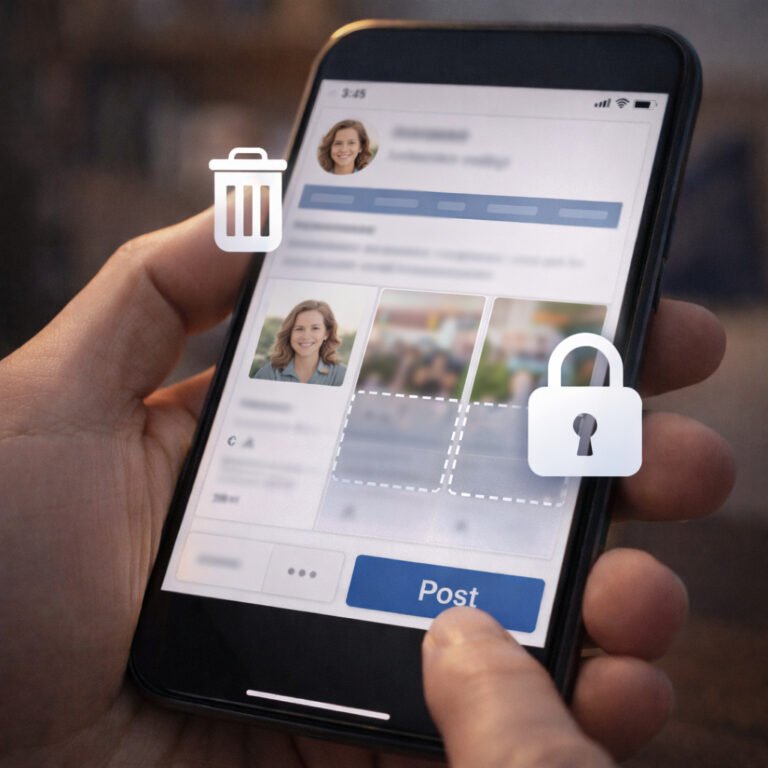
Reduce digital footprint on social media is one of the smartest moves you can make today. Most people don’t realize how much information their profiles reveal until someone connects the dots. Photos, bios, old posts, and tagged content slowly build a detailed picture of your life. The good news is simple. You don’t need to delete your accounts or disappear from the internet. Instead, you can reduce your digital footprint…