Physical Address
304 North Cardinal St.
Dorchester Center, MA 02124
Physical Address
304 North Cardinal St.
Dorchester Center, MA 02124

This category explains how publicly available information can be used to build digital profiles. It covers OSINT techniques, social media exposure, image analysis, and ways to reduce your digital footprint.
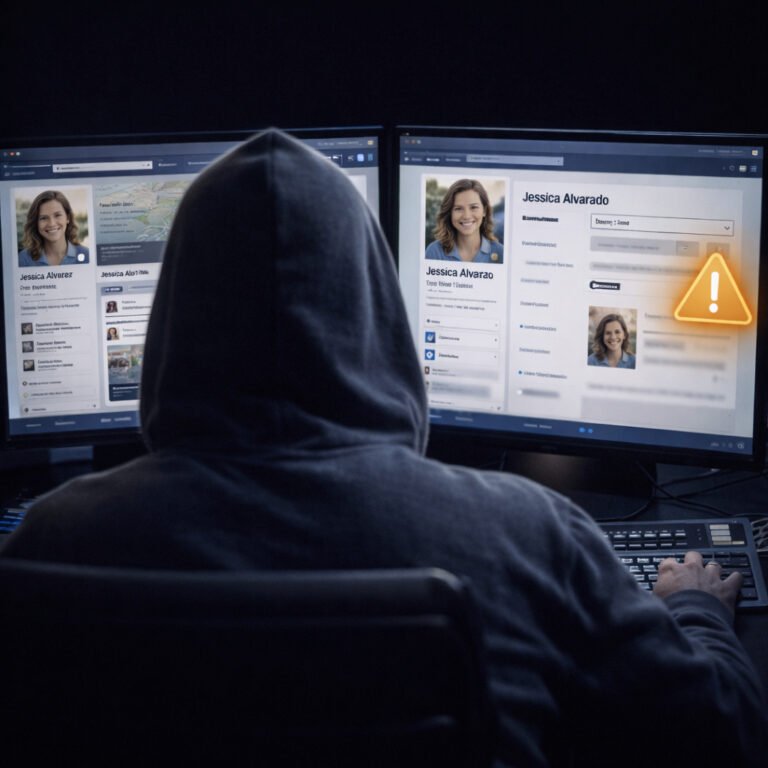
How scammers use your photos is something most people never think about until it happens to them. A simple selfie, travel picture, or profile photo can be copied in seconds and reused in ways you never intended. The internet makes…
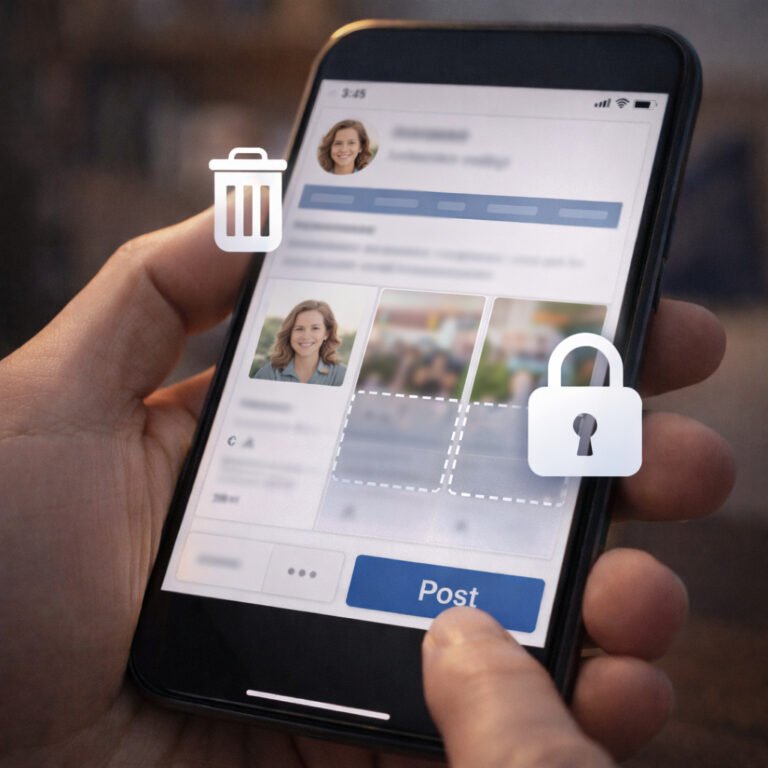
Reduce digital footprint on social media is one of the smartest moves you can make today. Most people don’t realize how much information their profiles reveal until someone connects the dots. Photos, bios, old posts, and tagged content slowly build…
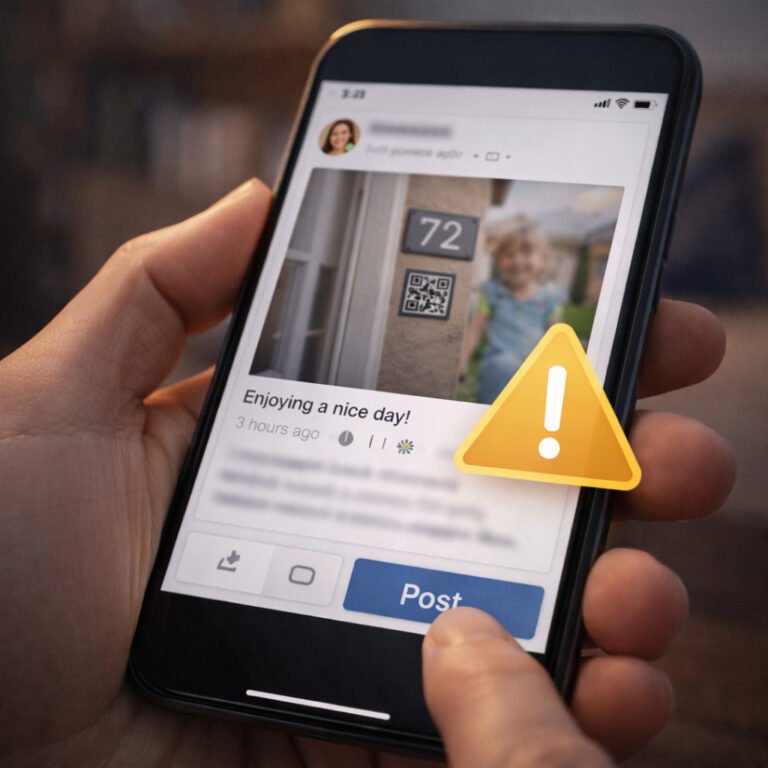
What not to post on social media is one of the most practical questions anyone can ask today. Most people don’t get into trouble because of hacking. Instead, they overshare small details that seem harmless but become powerful when combined.…
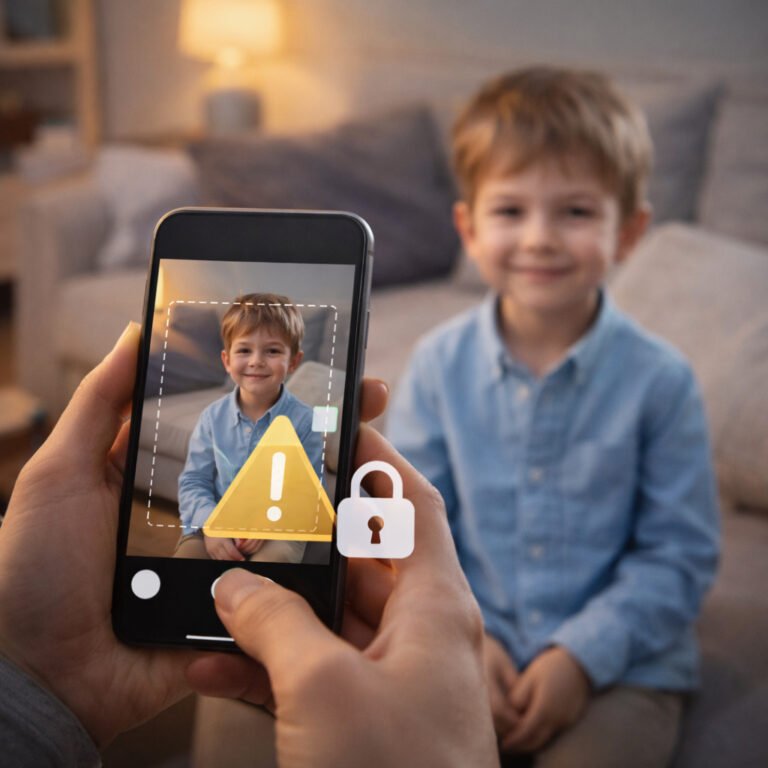
Protect kids privacy on social media is no longer just a “careful parenting” topic — it is a modern safety necessity. Today, children often appear online long before they understand what the internet is, and every photo, tag, and Story…

Private vs public social media is not a simple “one is safe, one is dangerous” question. In reality, both options come with trade-offs. A public profile can increase exposure, while a private profile can create a false sense of safety.…

How to use LinkedIn safely is a question more people should ask. LinkedIn is not just a “career platform” anymore — it is also one of the biggest OSINT databases on the internet. While Instagram and Facebook reveal your lifestyle,…
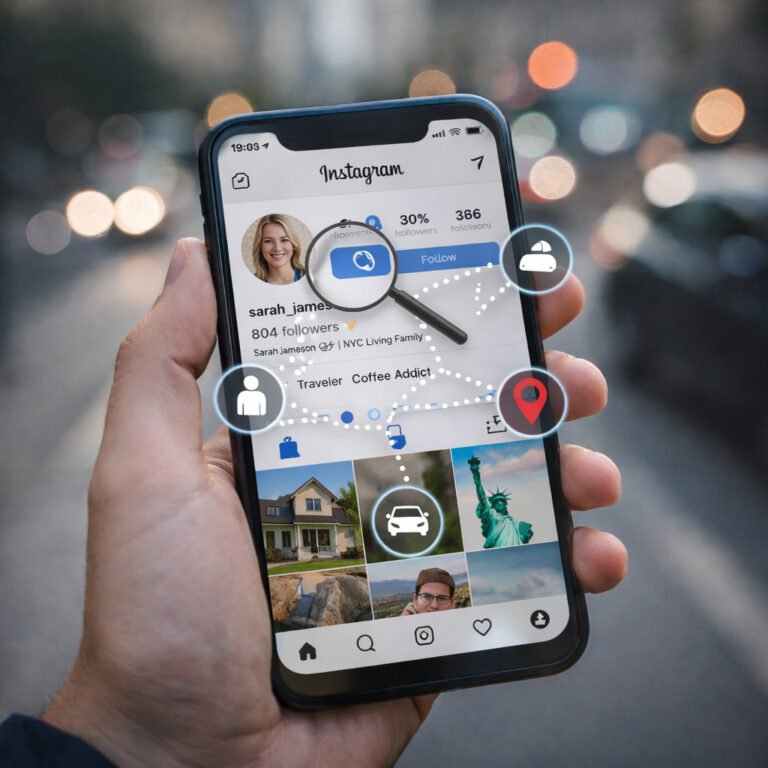
How criminals use social media is not a movie scenario — it’s a real-world OSINT technique used every day. Instagram and Facebook are not dangerous because of “hackers.” They are risky because people voluntarily publish patterns, locations, and personal details…
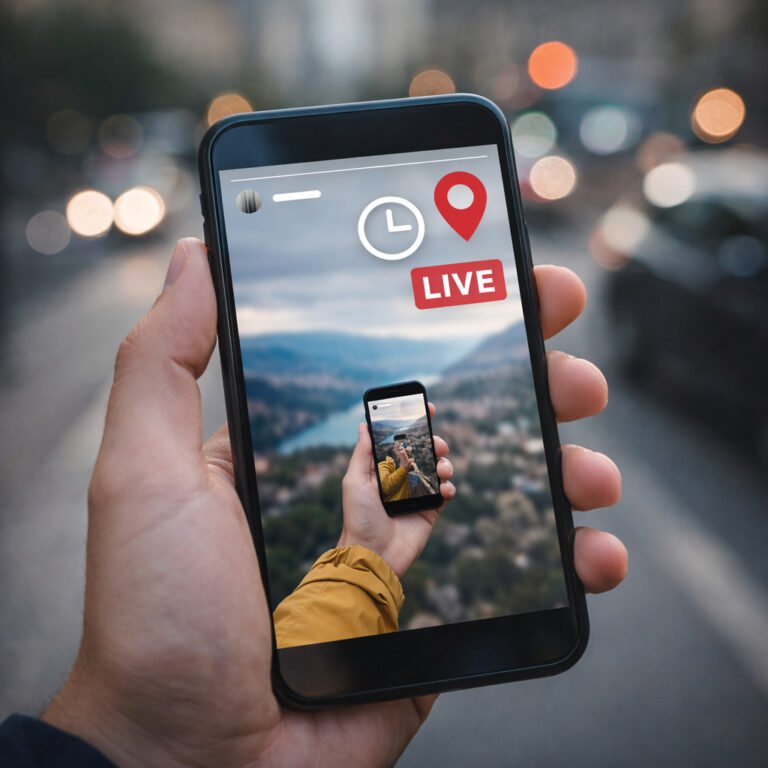
Why posting in real time is risky is not a paranoia topic — it’s one of the most practical online safety habits you can learn. The moment a Story, check-in, or “right now” post goes live, it may reveal your…
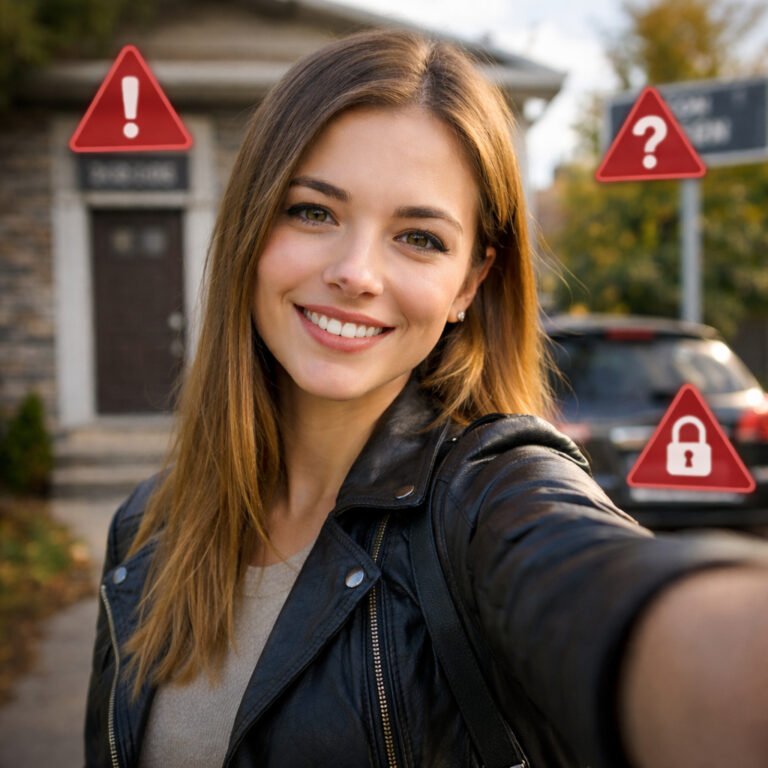
Posting a photo shouldn’t feel dangerous. However, in 2026, sharing pictures online can reveal far more than you think. If you care about online privacy security, this is one of the most important habits you can build. The good news?…

The term OSINT exposure describes how much information about you can be collected from publicly available sources such as social media, photos, comments, past accounts, online forums or leaked databases. Because people share more information today than ever before, reducing…