Physical Address
304 North Cardinal St.
Dorchester Center, MA 02124
Physical Address
304 North Cardinal St.
Dorchester Center, MA 02124

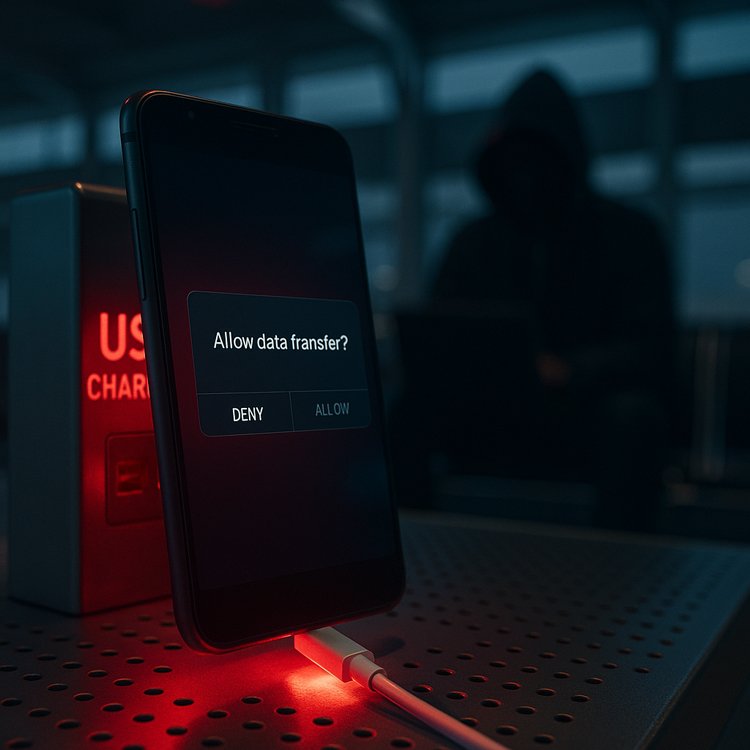
Public USB charging safety isn’t something most people think about — until it’s too late. You’re traveling, sitting in a café, your phone battery hits 5%, and suddenly that free USB charging port feels like a lifeline. But plugging in without thinking can expose your device to juice jacking, a cyberattack where criminals use public USB chargers to steal data or install malware on your phone. When it comes to…
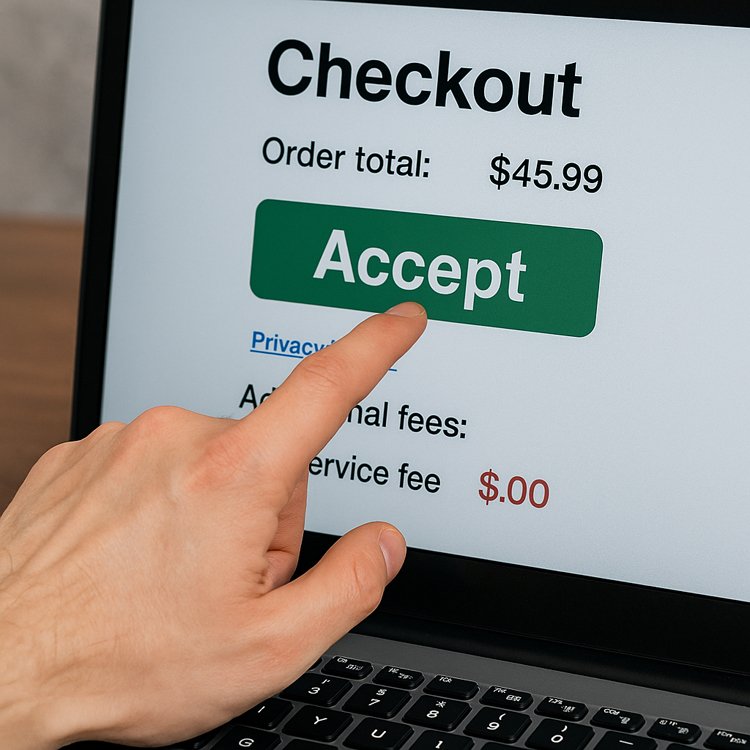
What Are Dark Patterns (and Why You Should Care) Dark patterns are deliberate design choices in websites and apps that manipulate people into taking actions they might not otherwise take. Whether it’s sneaky wording, confusing buttons, or hidden opt-outs, dark patterns make the path of least resistance lead to the choice that benefits the company — not you. If you run into a “limited time” popup that nudges you toward…
Your computer used to feel fast — smooth browsing, quick file opening, no strange noise from the fan. But lately, things changed. Pages load slowly, your laptop feels hotter, and the internet seems to crawl even when you’re not doing much. You might blame age, updates, or too many browser tabs. Yet sometimes, the real reason is far more dangerous: a botnet infection. Botnets are one of the most silent…
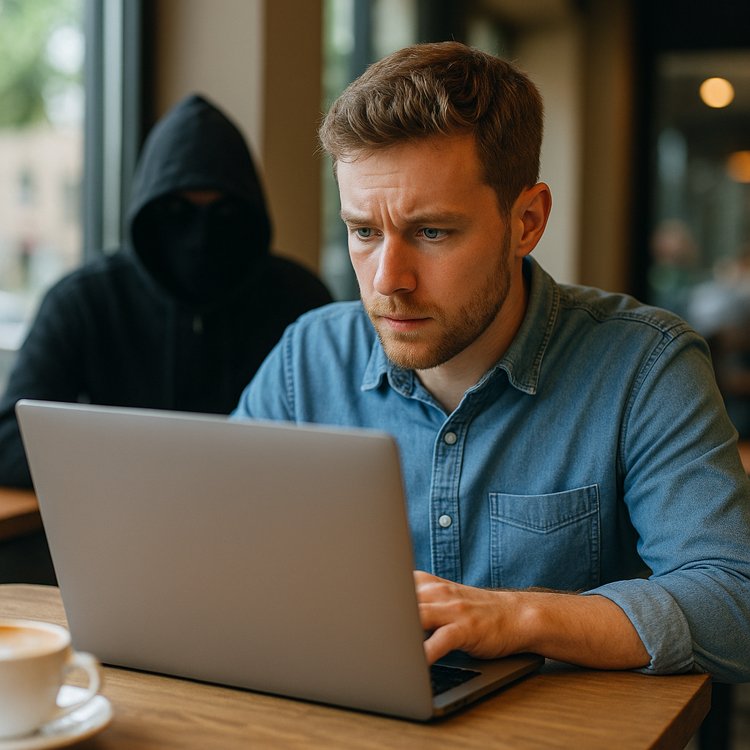
Public Wi-Fi security has become a critical part of everyday digital life. Whether you’re traveling, working remotely, or simply enjoying coffee in a café, connecting to free Wi-Fi feels natural. It’s fast, convenient, and saves data. However, this convenience often hides serious cybersecurity risks. Hackers actively target public Wi-Fi because unsuspecting users create easy opportunities. Understanding how public Wi-Fi security works isn’t about fear — it’s about being aware and…
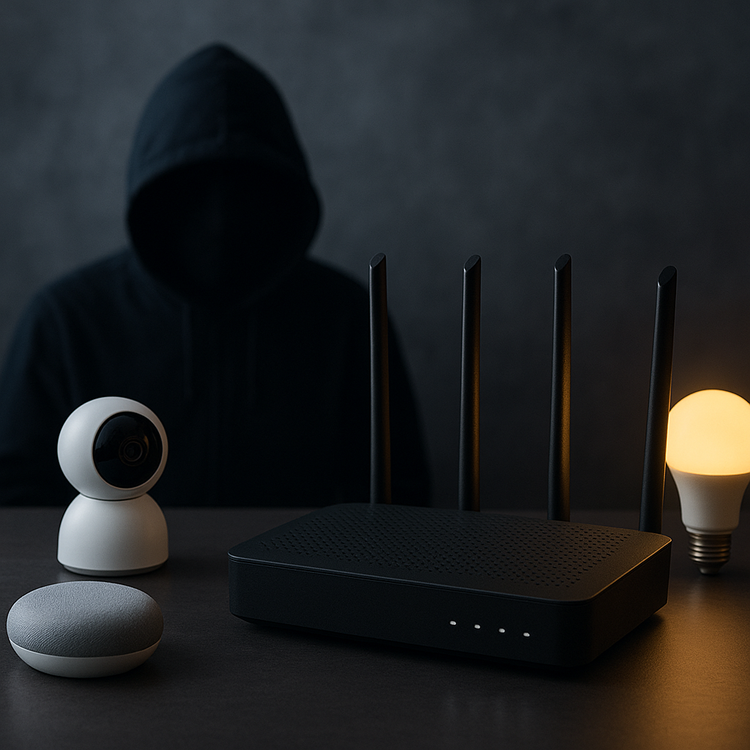
The rise of smart homes has brought comfort, convenience, and automation into our daily lives. From smart TVs and cameras to voice assistants and connected light bulbs, it seems like everything wants to join your Wi-Fi network. But here’s the catch — these smart devices, also known as the Internet of Things (IoT), can be the weakest link in your home network. Network segmentation — separating your IoT devices from…
In the modern digital world, the phrase “trust but verify” no longer works. Today, cybercriminals are clever, persistent, and often already inside your network before anyone realizes it. That’s where Zero Trust comes in. It’s a cybersecurity model built on one simple but powerful principle: never trust, always verify. Whether you’re an individual trying to protect your home Wi-Fi or an IT professional managing company data, understanding Zero Trust explained…
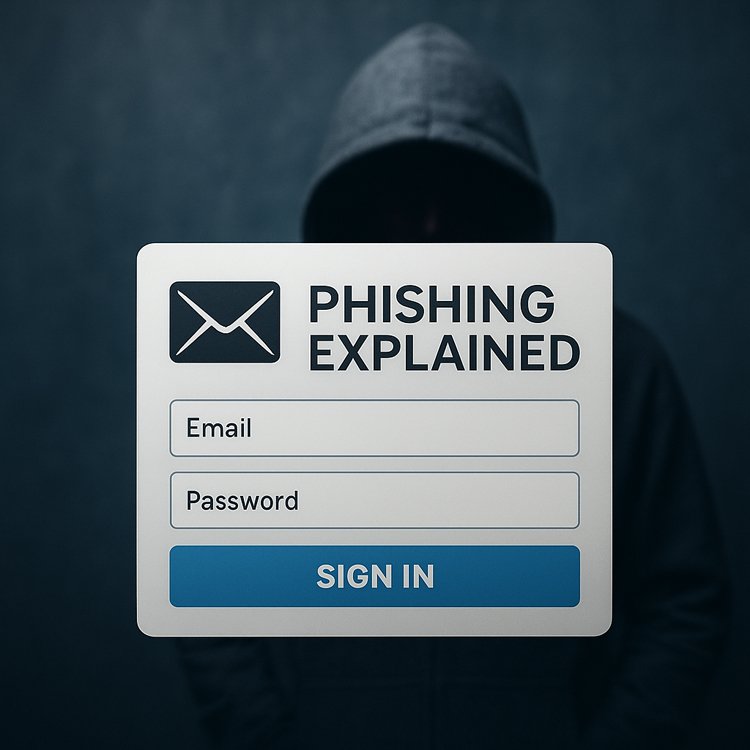
What Is Phishing and Why Should You Care? Phishing is one of the oldest tricks in the cybercriminal playbook — and still one of the most successful. The idea is simple: a scammer pretends to be someone you trust (your bank, Netflix, or even your boss) to make you click a link, share your password, or open a malicious file. They’re not “hacking” your system. They’re hacking you. And that’s…
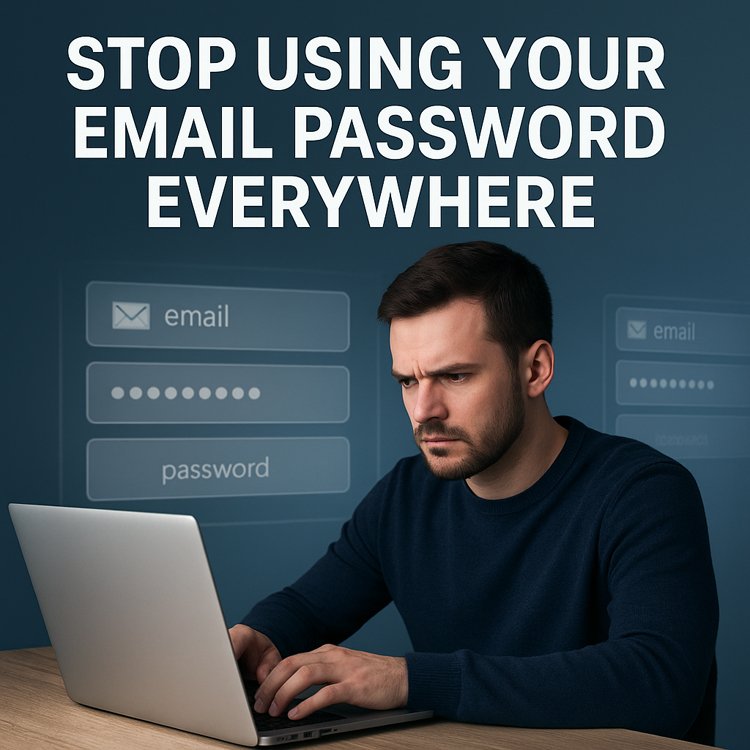
The Password Habit That Could Ruin Everything Most people don’t think twice when signing up for a new website or app. You enter your name, your email, and — without much thought — reuse the same password you already use for your email. It feels harmless. After all, it’s just another recipe site, a hobby forum, or a local store’s app. What could go wrong?The problem is simple but terrifying:…
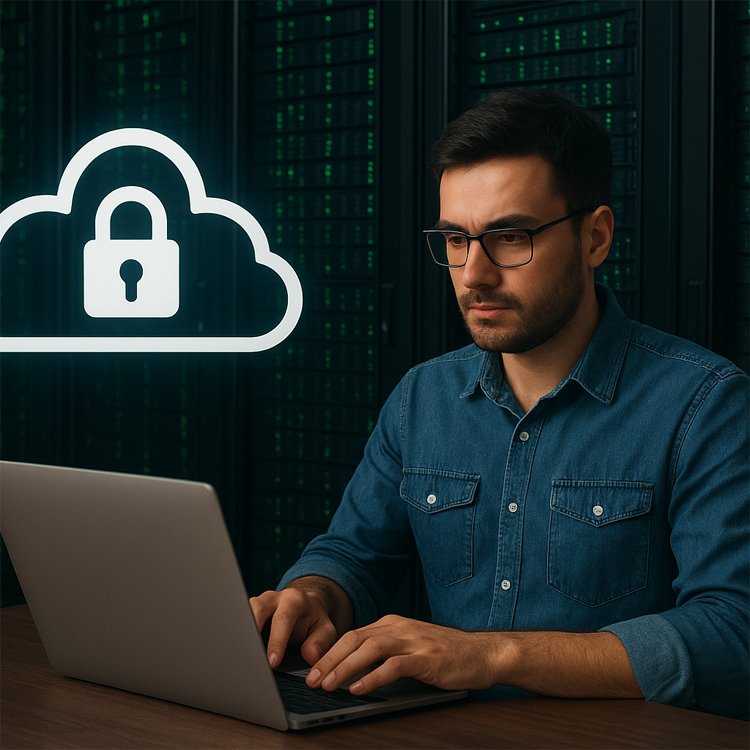
The Cloud: A Modern Convenience with Hidden Risks We use the cloud every single day — to store our photos, work files, passwords, even our memories. It’s convenient, flexible, and seemingly infinite. But while the cloud feels invisible and effortless, it’s still a physical network of servers, run by people, vulnerable to the same risks as any other system. The question isn’t whether the cloud is secure — it’s how…
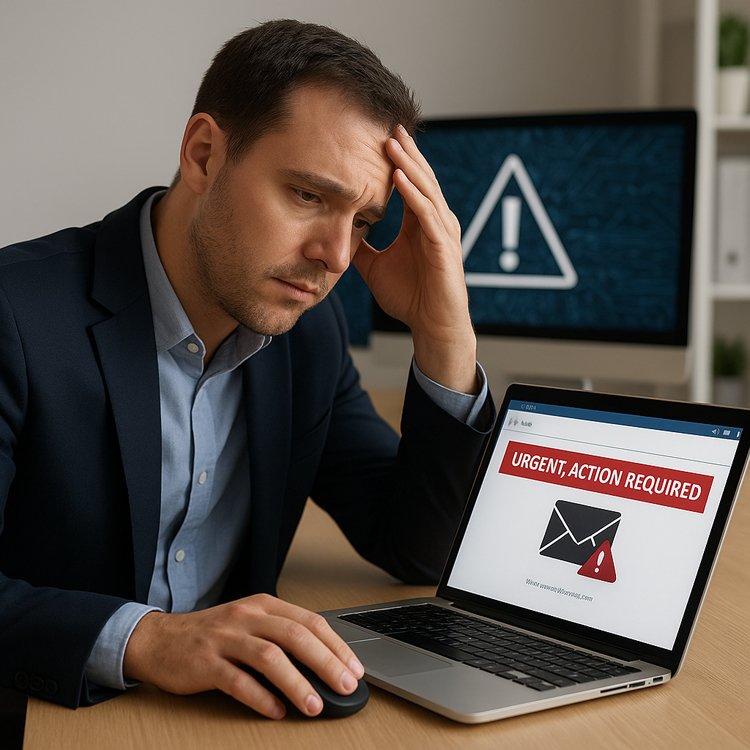
The Human Element Behind Every Breach When we think about cybersecurity, we picture hackers in hoodies, sophisticated malware, and AI-driven phishing bots. But the uncomfortable truth is that most breaches start with something far simpler — human error. Whether it’s clicking the wrong link, using “password123,” or sending sensitive data to the wrong person, human mistakes are the biggest cybersecurity risk that no one talks about enough. In fact, studies…