Physical Address
304 North Cardinal St.
Dorchester Center, MA 02124
Physical Address
304 North Cardinal St.
Dorchester Center, MA 02124

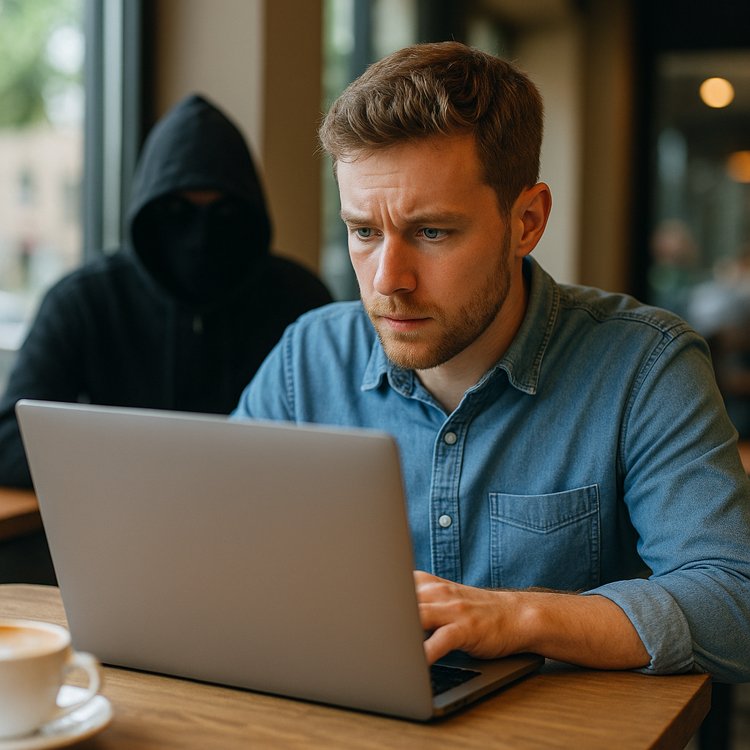
Public Wi-Fi security has become a critical part of everyday digital life. Whether you’re traveling, working remotely, or simply enjoying coffee in a café, connecting to free Wi-Fi feels natural. It’s fast, convenient, and saves data. However, this convenience often hides serious cybersecurity risks. Hackers actively target public Wi-Fi because unsuspecting users create easy opportunities. Understanding how public Wi-Fi security works isn’t about fear — it’s about being aware and…
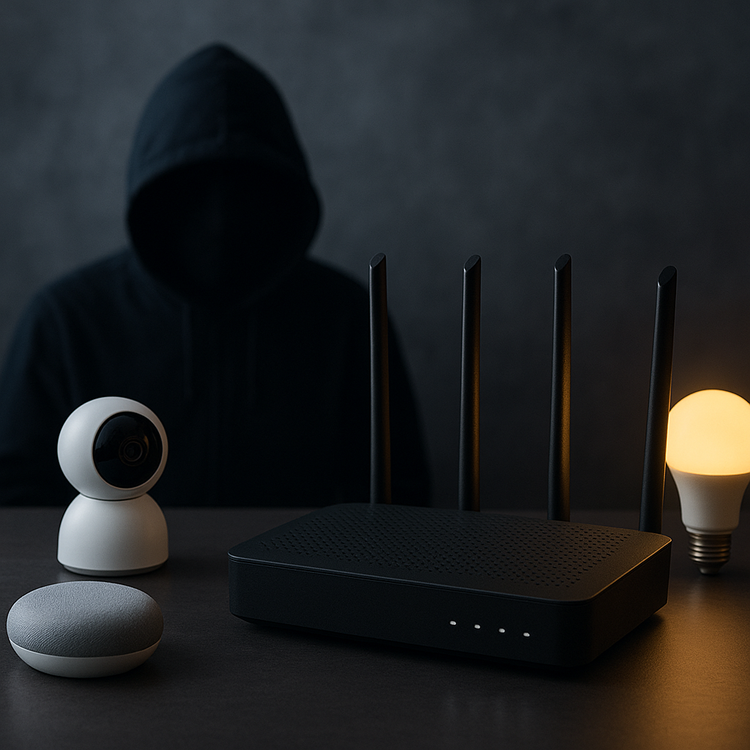
The rise of smart homes has brought comfort, convenience, and automation into our daily lives. From smart TVs and cameras to voice assistants and connected light bulbs, it seems like everything wants to join your Wi-Fi network. But here’s the catch — these smart devices, also known as the Internet of Things (IoT), can be the weakest link in your home network. Network segmentation — separating your IoT devices from…
In the modern digital world, the phrase “trust but verify” no longer works. Today, cybercriminals are clever, persistent, and often already inside your network before anyone realizes it. Modern phishing attacks, compromised credentials, and social engineering campaigns frequently allow attackers to bypass traditional perimeter defenses long before alarms are triggered. Whether you’re an individual trying to protect your home Wi-Fi or an IT professional managing company data, understanding Zero Trust…
What Is Phishing and Why Should You Care? Phishing is one of the oldest tricks in the cybercriminal playbook — and still one of the most effective. Instead of attacking systems directly, scammers manipulate people into clicking links, opening files, sharing passwords, or approving fake login requests. They are not “hacking” your computer first. They are hacking your attention, trust, emotions, and habits. This is why phishing is fundamentally a…
The Password Habit That Could Ruin Everything Most people don’t think twice when signing up for a new website or app. You enter your name, your email, and — without much thought — reuse the same password you already use for your email. It feels harmless. After all, it’s just another recipe site, a hobby forum, or a local store’s app. What could go wrong?The problem is simple but terrifying:…
The Cloud: A Modern Convenience with Hidden Risks We use the cloud every single day — to store our photos, work files, passwords, even our memories. It’s convenient, flexible, and seemingly infinite. But while the cloud feels invisible and effortless, it’s still a physical network of servers, run by people, vulnerable to the same risks as any other system. The question isn’t whether the cloud is secure — it’s how…
The Human Element Behind Every Breach When people think about cybersecurity, they often imagine sophisticated hackers, advanced malware, and complex technical systems. However, the reality is far less dramatic and far more uncomfortable — most security incidents begin with human error. A single click, a reused password, or a moment of distraction can open the door to attackers. In many cases, the technology itself is not the weakest point. The…
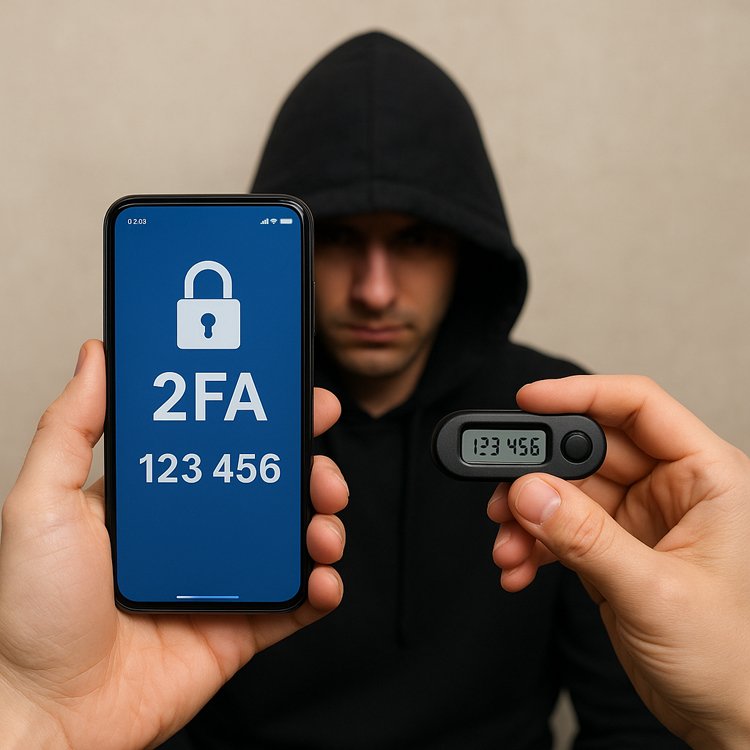
We live in an era where data breaches, phishing attacks, and identity theft happen every minute. Even the strongest password can be compromised through leaked databases or clever social engineering tricks. This is where multi-factor authentication (MFA) steps in — the digital equivalent of adding a deadbolt to your front door. Multi-factor authentication means that instead of relying solely on something you know (like a password), you also prove who…
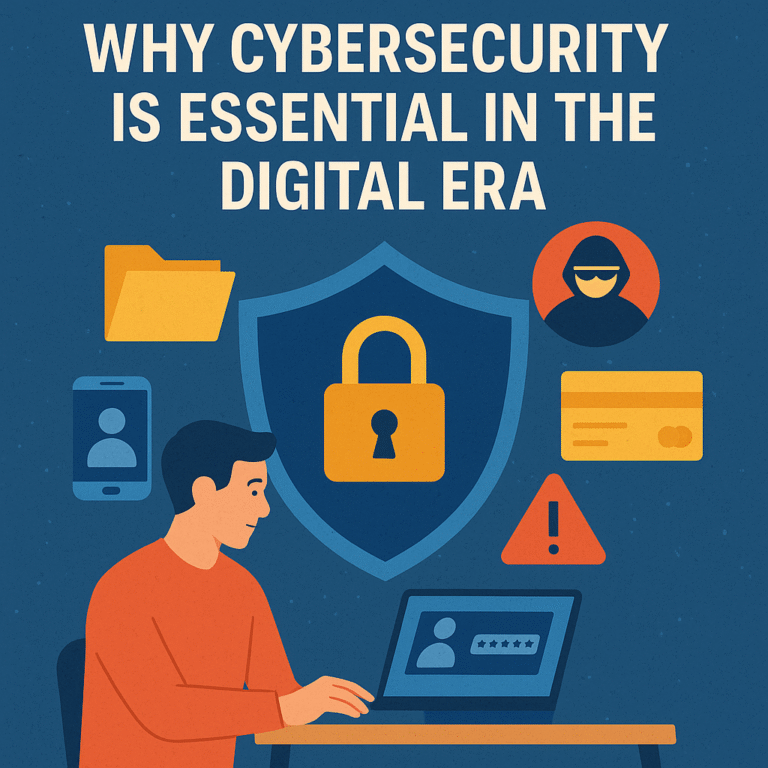
Living in a Digital-First World Today, cybersecurity is no longer just a concern for tech companies or governments — it’s essential for everyone. We live in an era where our lives are made up of digital assets: from bank accounts to personal conversations and even medical records. Without proper protection, our sensitive information becomes vulnerable to threats, potentially leading to identity theft, financial loss, or worse. Why Cybersecurity Matters More…